A strange scratching sound above the ceiling is easy to dismiss at first. Maybe it is a branch moving against the roof. Maybe the noise will disappear on its own. But when the sounds continue, especially at night or around dawn, there is a good chance something has found its way into the home.
For Houston homeowners, attics and other sheltered areas can provide attractive places for wildlife to seek food, warmth, protection and nesting space. Raccoons, squirrels, bats, birds and rodents can all create problems when they gain access to residential structures, which is why Ninja Wildlife Control approaches these situations by looking beyond the immediate noise or animal sighting.
The challenge is that hearing an animal is only the beginning. The more important question is how it got inside and whether the property remains vulnerable to another intrusion.
That is where professional wildlife removal and exclusion can make a difference.
What Those Noises Could Mean
Different animals can produce different sounds, but homeowners should not rely on noise alone to identify an intruder.
Scratching, scampering or gnawing sounds may indicate squirrels or rodents. Heavier movement can be associated with larger animals such as raccoons. Fluttering or unusual sounds around rooflines, vents or other openings may indicate birds or bats.
The location and timing of the noise can also provide useful clues. An animal moving through an attic, wall cavity or other concealed space may not be visible even when it is active.
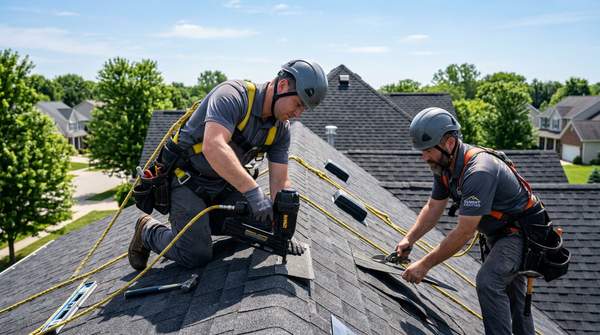
Ninja Wildlife Control approaches wildlife intrusion by identifying the species and examining the property for possible access points. The company's inspection process includes the roofline, foundation, soffit, fascia and other areas of the home's exterior envelope. Potential entry points are documented and photographed as part of the assessment.
That matters because removing the animal without addressing the access point can leave the homeowner with the same problem later.
Why Wildlife May Enter Your Home
Wild animals do not need a large opening to gain access to a house.
A damaged section of soffit, a roofline gap, an opening around a vent or another vulnerable point can provide an opportunity for an animal to enter. Rodents can take advantage of particularly small openings, while larger wildlife may exploit damaged or poorly sealed portions of the structure.
Once an animal discovers a suitable entry point, the attic or another sheltered area can become a place to rest or establish a nest.
The resulting problem can go beyond noise.
Wildlife can disturb insulation, damage materials, contaminate areas, or create conditions that require additional cleanup and repair. Squirrels, for example, may chew at vulnerable areas, while animals nesting in an attic can leave behind debris and other contamination.
For that reason, a wildlife problem should be viewed as both an animal-management issue and a property-protection issue.
Removal Is Only Part of the Solution
A homeowner may understandably focus on getting the animal out as quickly as possible. However, the more durable solution involves understanding how the animal entered in the first place.
Ninja Wildlife Control uses a four-phase process built around inspection, exclusion, restoration and fortification. The exclusion stage uses species-specific devices, including one-way doors that allow animals to leave without returning. The company describes this as a zero-contact methodology.
The goal is not simply to solve what is happening inside the house today. It is to address the conditions that allowed the intrusion to happen.
That distinction is particularly important when dealing with animals that repeatedly test the same areas of a property.
What Happens After the Animal Is Gone?
The condition of the attic or affected area should also be considered.
Ninja's restoration process addresses damage associated with wildlife intrusion. Its stated services include insulation replacement, wiring inspection, structural repair and professional sanitisation of contaminated materials.
Not every wildlife incident will require all of these services. The appropriate work depends on what the inspection finds.
But homeowners should understand that removing an animal does not necessarily return the affected space to its previous condition.
If insulation has been disturbed, an entry point has damaged part of the structure, or contamination has occurred, those issues may need attention after the wildlife has been removed.
How to Tell When It Is Time to Act
You do not necessarily need to see an animal to justify an inspection.
Consider contacting a wildlife-control professional if you notice:
- Repeated scratching, movement or chewing sounds in the attic or walls
- Droppings or nesting material
- Damaged insulation
- New openings around the roofline, soffit or fascia
- Signs of chewing near potential entry points
- Birds or bats repeatedly gathering around a specific part of the home
- An animal entering or leaving the structure
Early investigation can help identify the source before a relatively contained problem becomes a larger property issue.
It can also provide homeowners with a clearer understanding of what needs to happen next.
A Better Way to Think About Wildlife Intrusion
Wildlife removal is often treated as a single event: find the animal, remove it and move on.
A more complete approach looks at the entire property.
Where did the animal enter? Is another animal likely to use the same opening? Has the structure been damaged? Does the attic require restoration? Are there other vulnerable points that should be sealed?
Ninja Wildlife Control's four-stage process is designed around those questions. After inspection and humane exclusion, the company addresses restoration and then fortifies potential entry points using materials such as galvanized steel, heavy-gauge mesh and commercial-grade sealant.
That creates a more comprehensive path from intrusion to prevention.
Get the Problem Investigated Before It Gets Bigger
An unexplained noise overhead may seem like a minor household annoyance, but wildlife inside a home's structure should not be ignored indefinitely.
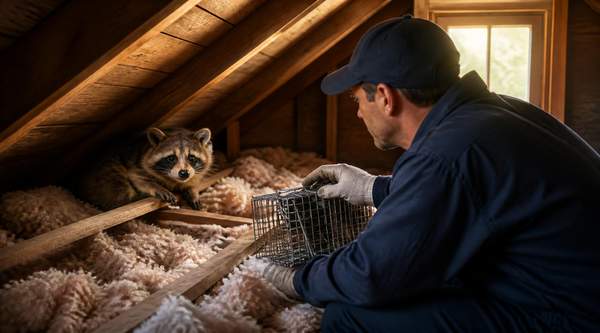
Whether the issue involves a raccoon in the attic, squirrels around the roofline, bats entering a structure or another type of wildlife, the first step is understanding what is happening and where the property is vulnerable.
Ninja Wildlife Control provides wildlife removal, exclusion solutions, attic restoration and damage repair for Houston and surrounding areas. The company offers free inspections and lists same-day and emergency service availability.
If something is moving above your ceiling, behind your walls or around your roofline, getting the property inspected can turn an unanswered question into a clear plan for removal, restoration and prevention.