The best multi-functional furniture for a small home is the category that answers your single most pressing problem: a lift-top coffee table if you lack dining or workspace, a convertible sofa if you need guest sleeping, a storage ottoman if hidden clutter is the enemy. That is the core trade-off. Each category does one job brilliantly and the others only adequately, so choosing well means matching the piece to the problem rather than collecting clever furniture. Here is how the three most versatile categories compare.
Solving Space Challenges with Multi-functional Furniture
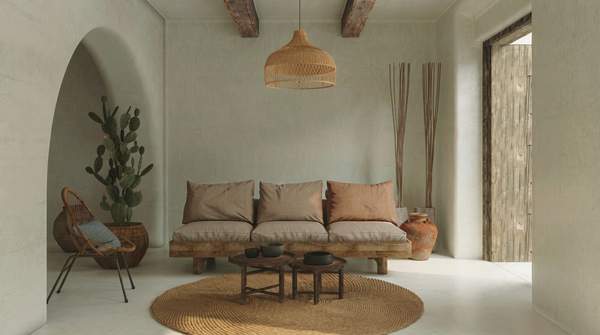
Minimalist design treats functionality as the first priority: pieces are designed with a purpose and often serve multiple functions, as the design guidance from furniture retailer iFurniture puts it. A coffee table might have built-in storage; a sofa might convert into a bed. The point of this approach is that it maximises the utility of each piece while minimising clutter.
Multifunctional furniture is described by the same guidance as a staple of minimalist design, with sofa beds, extendable dining tables, and storage ottomans named as pieces that make the most of your space without compromising on style. The promise is appealing for anyone in a studio or compact apartment: every square inch serves a purpose, and the furniture adapts to your needs rather than forcing your life to adapt to the furniture.
The catch is that no single piece does everything. A sofa bed is a mediocre coffee table; an ottoman cannot host overnight guests. That is why the comparison below is organised by the problem each category solves best, not by how many functions it crams in.
Lift-Top Coffee Tables: More Than Just a Surface
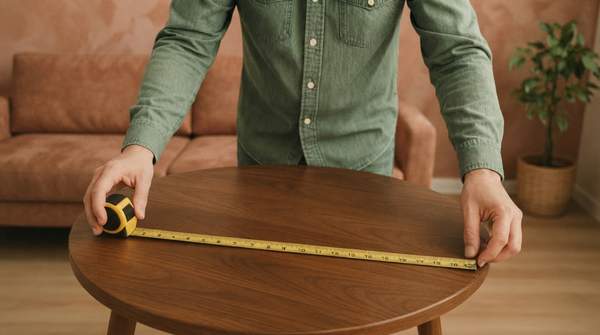
The clearest illustration of this category's potential is a product roundup by Assia Schou at Living in a Shoebox, which describes a lift-top coffee table with four nesting stools as "equal parts seating, storage, and dining space" and calls it "a small-space powerhouse." The mechanics are simple: the tabletop rises to create a work or dining surface, while cushioned stools nest underneath, each with its own hidden compartment.
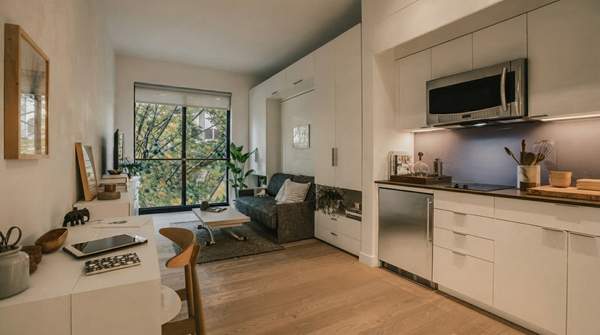
That combination makes the lift-top table the strongest answer to a very specific small-apartment problem: where do you eat or work when there is no room for a dining table or desk? In a studio where the sofa, bed, and kitchen share one footprint, a surface that converts from coffee table to desk-height workspace effectively creates a second room's worth of function without adding square footage.
The trade-off is weight and permanence. A lift-top table with storage and stools is a denser, heavier piece than a simple coffee table, and it anchors the centre of your living area. If your problem is occasional guests rather than daily dining, this category is more table than you need.
Convertible Sofas and Sleepers: Seating and Sleeping Solutions
Convertible seating is the category iFurniture highlights first when discussing multifunctional design, naming sofas that convert into beds as a defining example. Schou's roundup offers a concrete instance: a corduroy floor sofa that unfolds into a nearly queen-size sleeping surface, described as a bendable, foldable, no-assembly piece suited to studios and multipurpose rooms, with a fixed-shape frame and nonslip base keeping it grounded.
The problem this category solves is guest accommodation without a guest room. If overnight visitors are even an occasional reality, a convertible piece means your living room can double as a bedroom on demand, and your daily seating never has to look like a compromise. The floor-sofa example also shows how far the category has moved from clunky pull-out mechanisms toward pieces that read as ordinary furniture.
The trade-off is comfort and effort. Every convertible makes some concession—sleeping surface firmness, conversion work, or a lower seat height in the floor-sofa style—compared with a dedicated sofa or a dedicated bed. It earns its place only if the sleeping function is genuinely used.
Storage Ottomans: Hidden Organization and Extra Seating
Storage ottomans appear in iFurniture's guidance alongside sofa beds and extendable tables as pieces that make the most of your space without compromising on style. Their dual role is straightforward: a hard-topped ottoman works as a footrest, an extra seat, or a side-table surface, while its hollow interior swallows the clutter that makes small rooms feel smaller—blankets, cables, remotes, toys.
This is the category for the reader whose problem is not missing function but visible mess. Schou's broader writing on hidden storage captures the principle: in a small home, the best storage often does not look like storage at all, tucked beneath a sofa cushion or hidden inside another piece. An ottoman is the purest expression of that idea—storage that reads as seating.
The trade-off is scale. An ottoman solves clutter and occasional seating, but it cannot host dinner or overnight guests. It is the best third piece in a room, not the anchor piece, unless storage is overwhelmingly your dominant problem.
Multi-functional Furniture Comparison Framework
Use this table to match your primary problem to the right category. Read the final column first: it names the small-space challenge each type genuinely solves, which is where the decision actually happens.
| Furniture Type | Primary Function | Secondary Function(s) | Best For (Problem Solved) |
|---|---|---|---|
| Lift-Top Coffee Table | Coffee table in the living area | Raised work or dining surface; hidden storage; nesting stools add seating | No room for a dining table or desk; clutter you want concealed |
| Convertible Sofa/Sleeper | Everyday living-room seating | Unfolds into a sleeping surface, in some cases nearly queen-size | Overnight guests without a dedicated guest room |
| Storage Ottoman | Footrest and flexible extra seating | Hidden interior storage; can serve as a side-table surface | Visible clutter and a shortage of casual seating |
The comparison shows why buying by function count fails. The lift-top table wins on versatility, but if your real problem is guests, the convertible is the only category that solves it; if your real problem is mess, the ottoman does it most invisibly.
Key Principles for Minimalist Integration
Whichever category you choose, iFurniture's minimalist guidance offers a consistent test: does the piece serve a purpose, and does it minimise clutter? A multi-functional purchase that adds visual weight while solving nothing is worse than the problem it was meant to fix.
Practically, that means three checks before buying. First, confirm the secondary function is one you will actually use—a lift-top you never raise is just a heavy coffee table. Second, favour hidden storage over open storage, since concealed compartments keep surfaces clear and preserve the calm, uncluttered look minimalist rooms depend on. Third, keep the aesthetic cohesive: because these pieces are larger and do more work than single-function furniture, one that clashes with your palette or lines dominates the room rather than disappearing into it.
Quality over quantity matters more here than anywhere. One well-chosen convertible or lift-top piece replaces two or three single-purpose items, which is precisely the exchange that makes small-space minimalism work.
Choosing Your Ideal Multi-functional Piece
Prioritize furniture that directly solves your most pressing space problem while aligning with minimalist aesthetic principles of functionality, clean lines, and neutral colors. Name the problem before you shop: no dining or work surface points to a lift-top coffee table, overnight guests point to a convertible sofa or sleeper, and visible clutter points to a storage ottoman. The measurable indicator of a good choice is a noticeable reduction in clutter and an improved sense of spaciousness and organization in your living area—if the piece arrives and the room feels denser rather than lighter, it solved the wrong problem.