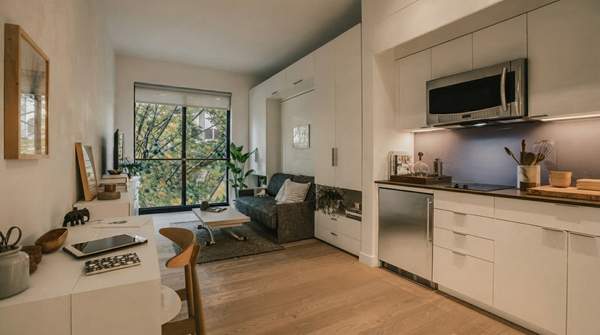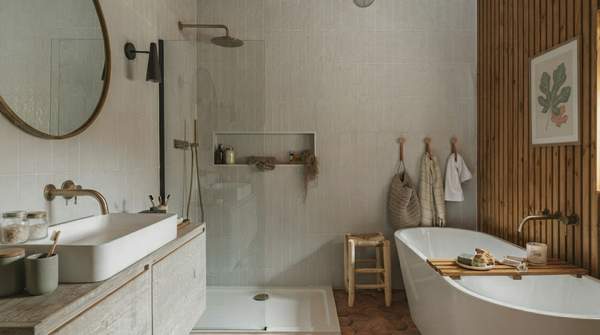
Lagom—often translated as "not too much, not too little, just right"—is a Swedish philosophy of balance that translates surprisingly well into home design. Applied to your living space, it means rooms that hold what you need without being overfilled, furniture chosen for how it works rather than how it photographs, natural materials and light arranged to create a calming atmosphere, and purchases made for longevity rather than for a trend cycle. This guide explains where the philosophy comes from, what it looks like in practice, and how to audit your own home against it—with a structured checklist you can use room by room.
Understanding Lagom: The Philosophy of "Just Enough"
The Swedish word lagom captures a simple but powerful idea: neither too much nor too little—just right. In a world often defined by excess, lagom stands for balance, sustainability, and conscious living, and it shapes not only the everyday lives of many Swedes but also Scandinavian interior design. It is a habit of judgment applied to everything you own, from finances to furniture, rather than a single decorating style.
That habit has a distinct character worth understanding before you change anything. Lagom is not strict minimalism, and the difference is practical. Writer Jayne Westerholt explains that in the home, rooms should not be overfilled with things—whether furniture or accessories—but that this does not mean rooms should become bare and cold. You can still cosy up with throws, accessories, and candles; the point is simply not to overdo it and cram rooms full of unnecessary things. The philosophy asks you to surround yourself with items that bring joy and have purpose, not to strip your rooms down to nothing.
This framing also explains why lagom has traveled well beyond Sweden. As a lifestyle practice, it touches everyday matters from personal finances to practicing gratitude, and its "less is more" approach transfers naturally to the spaces around you. What you are adopting, then, is not a look but a way of deciding what deserves a place in your home.
Core Principles of a Lagom Home
Across design writers and practitioners, four consistent principles emerge. The first is balance between furniture and space. Interior designer Dominique Bonet, quoted in Homes and Gardens, says lagom encourages designers to balance furniture and space to achieve a comfortable, well-proportioned environment, "rather than overcrowding a room." A lagom room holds what is needed and no more, but it is judged by proportion and comfort, not by emptiness.
The second is function over form. A styling consultant identified as Cook, writing in Northern Virginia Magazine, recommends thinking in terms of how a piece of furniture works, how a certain fabric feels, and how an object fills a specific space. Focusing too much on what each thing looks like, Cook warns, leads you to accidentally create a themed room—"which is the opposite of lagom." Appearance matters in lagom, but it follows from usefulness rather than driving the decision.
The third principle is natural materials and light. Bonet points to wood and stone, natural textiles, and neutral, discreet colors "which do not attract attention or go out of fashion," all used alongside natural light in a manner that creates a calming atmosphere promoting relaxation. The fourth is sustainability and conscious consumption: choosing natural materials like wood, wool, or recycled plastics produced with the environment in mind, repairing what is broken, and buying secondhand rather than new whenever possible. Together, these four principles define a home that is serene, purposeful, and quietly durable.
Your Lagom Home Audit Checklist
Use this checklist to walk through one room at a time and identify where your space shows excess (clutter), deficiency (missing function), or misalignment (poor-quality or purposeless items). For each question, write down what you would change—your answers become a personalized, actionable list of improvements.
| Dimension | Guiding questions | What to look for |
|---|---|---|
| Balance and space | Does the room feel well-proportioned? Is there comfortable space to move, or is the room overcrowded with furniture? | Remove or reposition pieces until furniture and space feel balanced—without making the room bare or cold. |
| Functionality and purpose | How does each piece actually work? How does the fabric feel? Does each object fill a specific need or space? | Keep items that serve a purpose or bring joy; flag anything kept only for how it looks. |
| Sustainability and quality | Are my materials natural—wood, wool, stone—or sustainably produced? Would this piece last long enough to hand down? | Prioritize durable, natural, and secondhand items over fast-decor and low-quality furniture. |
| Natural light and materials | Am I using as much natural light as possible? Do heavy curtains or clutter block windows and views? | Organize the room to catch light and outdoor views; keep window treatments light. |
| Calm and atmosphere | Does the room feel relaxing, serene, and peaceful? Are candles and accessories adding warmth—or clutter? | Keep a few meaningful touches—candles, throws—in balance against clear surfaces and shelves. |
A quick worked example shows how the audit works. Suppose your living room has a large sofa, two armchairs, a coffee table, a side table, and a shelf crowded with candles and decorative objects. The balance question might reveal that the second armchair blocks the natural walking path, making the room feel cramped despite its size—so it becomes a candidate for relocation. The functionality question might reveal that the side table holds nothing anyone uses, and that a reading lamp is genuinely missing from the darkest corner. The atmosphere question might reveal that of twelve candles on the shelf, only three are ever lit. Your action list from that single room: move one armchair, remove the unused table, add a lamp where function is missing, and thin the candle display to the few that serve.
Work room by room rather than tackling the whole house at once. The goal is not a perfect score but a concrete list: items to remove or rehome, repairs to make, light to unblock, and specific gaps where a functional piece is genuinely missing.
Making Lagom-Inspired Purchasing Decisions
The audit only holds if future purchases follow the same logic, so the lagom mindset treats buying as a deliberate act. The core rule is mindful rather than impulsive consumption: when something is broken, repair it; buy secondhand instead of new where you can. This is not just an aesthetic preference—the lagom movement has grown alongside a broader rise of anti-consumerism, and the move away from fast-decor, fast fashion, and low-quality furniture has created a real demand for sustainable fabrics and reclaimed wood.
Longevity is the second rule. One well-made piece of furniture that lasts for years and can be handed down to children or grandchildren is worth more, in lagom terms, than cheaper pieces that will wear out quickly. The calculation favors paying once for something durable over repeatedly replacing something flimsy, and it favors neutral, discreet choices that will not go out of fashion next season.
Secondhand and vintage items deserve special consideration in this framework. Reporting on the trend for ABC News, Katie Kindelan notes that secondhand and vintage pieces make a home cozy because they have a history and tell a story—and that a lagom home would also feature new items of good quality, chosen so they can be passed on to future generations. Vintage is not a compromise in lagom thinking; it is a preferred route to character and sustainability at once.
Before any purchase, run three questions from your audit: Will this still serve me in five years, or long enough to hand down? Is it made of natural or sustainably produced materials? Does it fill a purpose my audit identified, or is it an impulse? If a candidate piece fails two of the three, wait. The item you need will still exist when you have thought it through.
Creating a Calming and Balanced Lagom Atmosphere
Atmosphere is where lagom becomes tangible, and it is built from light first. Swedish homes favor natural light and often use candles rather than heavy curtains that would block the daylight—a choice you can copy by keeping window treatments light and arranging furniture so it does not obstruct windows. Candles play a genuine role here, and not only in the evening: they appear at breakfast tables and in dark corners alike, adding warmth where light is missing. But even candles obey the balance principle—lagom decor writers advise filling your home with them only where you need a touch of light, and balancing the space rather than cluttering a shelf with too many.
Spacing and selection carry the calm further. Setting objects apart from one another, rather than clustering them, lets you appreciate each piece's individual beauty or purpose, and it helps you avoid clutter. Materials do quiet work too: wood and stone, natural textiles, and neutral, discreet colors create a restful backdrop that does not demand attention or date itself.
Finally, lagom's connection to nature is as much about views as about materials. As Cook puts it, it is less about where a window is placed and more about catching the view of a fantastic magnolia tree—"that's where we want our focus." When you arrange a room around light, views, and organic textures rather than around a theme, a tidy room becomes a genuinely calming one.
Embracing Lagom: A Path to Intentional Living
Lagom is not a one-time declutter but a phased, ongoing practice: audit a room, make the changes your checklist identified, and let the same questions govern everything you bring in afterward. Readers should commit to this phased approach of auditing their home and making intentional purchasing decisions to foster a balanced, sustainable, and calming environment.
You will know the practice is working by three observable signs: a noticeable reduction in clutter, an increase in natural light and natural materials in your rooms, and a genuine sense of calm and purpose when you spend time in the space. Start with one room, complete its audit this week, and let the resulting action list—not a shopping list—guide what happens next.
Sources
- Lagom – the Swedish attitude to life — Nordicnest
- What is Lagom? The Swedish path to a balanced life at home explained — Homes and Gardens
- Lagom Decor Ideas for a Balanced Home — Invaluable
- Lagom: A balanced life is a happy life - Chalking Up Success!
- Follow these Tips to Style Your Home with Lagom — Northern Virginia Magazine
- What to know about Lagom, a hot home-design trend for 2018 — ABC News