In 1776, an average colonist's daily intake of alcohol was so 'staggering' that it would likely shock modern sensibilities, often surpassing water consumption. I imagine the biting tang of hard cider on a summer morning, or the comforting warmth of rum as the evening chill settled, woven into the very fabric of daily life. This pervasive presence of alcohol, from dawn until dusk, paints a vivid picture of colonial existence.
Yet, early American colonists faced significant challenges in establishing new food systems. Despite the untamed environment, they maintained a diet surprisingly rich in alcohol and status-driven meat consumption. It’s a tension that makes me wonder what truly drove their choices.
Based on the evidence of pervasive alcohol consumption and the symbolic importance of meat, early American society likely prioritized cultural continuity and social signaling through diet, even at the expense of health or practical efficiency. This wasn't merely about survival; it was about recreating a familiar social order in a new world.
Beyond the Myth: The Unconventional Colonial Plate
The diet of early American colonists diverged significantly from both contemporary European norms and our modern expectations. While I might envision a table laden with fresh produce from fertile new lands, the reality was often a pragmatic blend of old-world traditions and new-world necessities, leading to surprising culinary adaptations. For instance, grains like corn, unfamiliar to many European settlers, quickly became a staple, transforming into various porridges and breads that anchored many meals.
Adaptation wasn't merely survival; it was a quest for familiar tastes, a yearning for tradition. Early settlers yearned to replicate familiar flavors and dining rituals, using newly available ingredients to approximate their European culinary heritage. This blending forged a unique food culture, where Old World methods embraced indigenous ingredients, laying the very foundation of American cuisine.
A Nation Soaked: The Staggering Reality of Colonial Drink
- 'Staggering' — The amount of alcohol consumed by colonists was described as 'staggering,' according to Fox5ny (2026).
- 'Staggering' — Colonists consumed a 'staggering' amount of alcohol, a finding also reported by ktvu (2026).
- Meat as a status symbol — Beef was highly prized, signifying wealth and standing, while chicken was often reserved for egg production rather than immediate consumption, according to Fox News (2026).
These figures paint a vivid picture of a pervasive cultural reliance on alcohol and a clear hierarchy in food choices, reflecting both daily life and social aspirations. The repeated emphasis from fox5ny and ktvu on the 'staggering' amount of alcohol consumed suggests colonial society normalized a level of intoxication considered extreme today, indicating a profound cultural reliance that transcended simple caloric or thirst-quenching needs. I can almost hear the clinking tankards and the boisterous conversations, a constant backdrop to their demanding lives.
More Than Thirst: Why Alcohol Dominated the Colonial Diet
The widespread consumption of alcohol was not merely a preference but a multi-faceted response to issues of water safety, preservation, and established social customs. In a time before reliable water purification, fermented beverages like beer and cider offered a safer alternative to often contaminated water sources. I imagine the settlers, wary of the unknown dangers in fresh springs, turning to the familiar comfort and perceived safety of their brews.
Beyond safety, alcohol served as a vital social lubricant and a coping mechanism in a challenging new world. It connected individuals, facilitated gatherings, and perhaps offered a momentary escape from the relentless toil of colonial life. Fox News's reporting on meat as a status symbol reveals colonists weren't just subsisting; they actively imported and reinforced European social hierarchies through their dietary choices, even amidst new world challenges. The robust presence of beef on a table signaled prosperity and adherence to old-world customs, a deliberate act of cultural transplantation.
From Porridge to Prized Beef: Everyday Meals and Social Standing
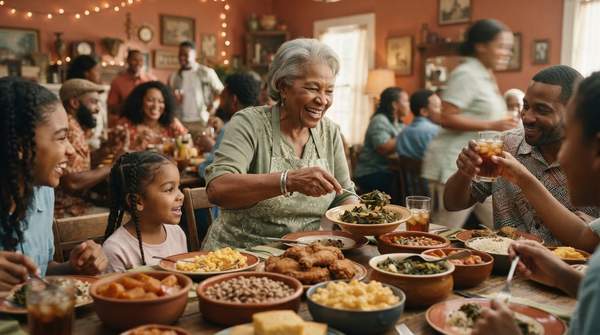
Specific food choices, like the type of meat consumed, served as powerful indicators of wealth and social position within the nascent American society. While a common colonist might consume simple porridges made from corn or oats, perhaps supplemented with local game or fish, the elite would feast on prized cuts of beef. I picture the aroma of roasting beef wafting from a wealthy landowner's kitchen, a stark contrast to the more modest fare of their laborers.
The prioritization of beef as a status symbol over chicken, often saved for eggs, reveals a colonial society willing to trade sustainable food production for immediate social signaling and hierarchical reinforcement. Chicken, a more efficient protein source, was relegated to its egg-laying function, highlighting how deeply ingrained social distinctions were, even in the practicalities of food. Colonists weren't merely surviving on what was available; their dietary choices, especially regarding meat and alcohol, were deliberate cultural acts, replicating and maintaining European social structures in a foreign land.
Echoes of 1776: The Enduring Legacy of Early American Eating
The foundational dietary habits of the colonial era laid groundwork for future American culinary identity, influencing everything from hospitality to health perceptions. The sheer volume of alcohol consumed, often exceeding water intake, didn't just quench thirst; it forged a pervasive social lubricant, a vital coping mechanism in a challenging new world. This deep integration of drink into daily life and social fabric left an indelible mark, shaping American attitudes towards celebration and communal gathering. Similarly, the deliberate choice to elevate beef as a status symbol over more efficient protein sources like chicken, which was often reserved for eggs, speaks volumes. It reveals a colonial society willing to trade sustainable food production for immediate social signaling and hierarchical reinforcement. This early emphasis on specific meats and pervasive alcohol consumption forged not only individual health outcomes but also the broader cultural understanding of feasting and hospitality. The legacy of these choices can still be seen in parts of American food culture today, where certain cuts of meat retain a celebratory status and alcohol remains deeply embedded in social rituals. I see these threads weaving through our culinary history, connecting past traditions to present-day habits.
If modern food culture continues to grapple with health, sustainability, and social signaling, it appears the echoes of 1776's passionate, complex dietary choices will likely resonate for generations to come.