The aromatic promise of a meal, the satisfying warmth it brings – these moments should be pure joy. Yet, over 60% of adults regularly endure post-meal bloating or heartburn, according to the National Health Survey. Many also battle an unwelcome 'food coma,' a sluggish sensation linked to rapid blood sugar shifts and inefficient digestion, as Endocrinology Reports confirms. This widespread discomfort isn't a dining destiny; it's a clear signal.
We face daily digestive battles, but often overlook simple, powerful post-meal habits that could transform our well-being. The gut-brain axis means digestive discomfort ripples beyond the stomach, directly impacting mood and focus, according to Neurogastroenterology & Motility. This isn't just about comfort; it's about life quality.
Given the prevalence of these issues and the proven power of gentle routines, adopting small changes appears likely to dramatically improve health. A mere 15-minute post-meal walk, for instance, is a colossal missed opportunity. It prevents daily discomfort and boosts gut microbiome diversity, often outperforming costly supplements. These are the best post-meal habits for digestion and gut health in 2026.
Why Your Post-Meal Routine Matters More Than You Think
A meal's influence extends far beyond the plate, rippling through your entire being. Over 70% of the immune system thrives in the gut, making its health paramount for your body's defenses, as Immunology Today confirms. How you treat your body right after eating profoundly shapes this vital system.
Stress immediately after eating diverts blood flow from the gut, spiking cortisol and crippling digestion, according to Stress & Health Quarterly. This reveals a critical oversight: we're fixated on complex diets, yet ignore simple, powerful behavioral changes. A Health Trends Institute survey found 70% of adults prioritize diet over post-meal habits, missing the immediate, tangible benefits.
Gentle post-meal activity, however, improves gut motility and slashes constipation risk over time, Clinical Nutrition reports. Our post-meal choices don't just affect digestion; they sculpt our immune system, stress response, and long-term gut function. The implication is clear: true wellness isn't just about what you eat, but how you live immediately after.
Simple Habits for Smoother Digestion
A short stroll after eating can revolutionize your digestion. Just 15 minutes can slash post-meal blood sugar spikes by up to 30%, says the Journal of Sports Medicine. This gentle movement coaxes your digestive rhythm into harmony.
The soothing warmth of a beverage also works wonders. Sipping warm water or herbal tea, like peppermint or ginger, helps break down food and calms the digestive tract, according to Nutrition Review. This isn't just old wives' tales; warm liquids stimulate enzymes and soothe the gut lining, a powerful, simple act.
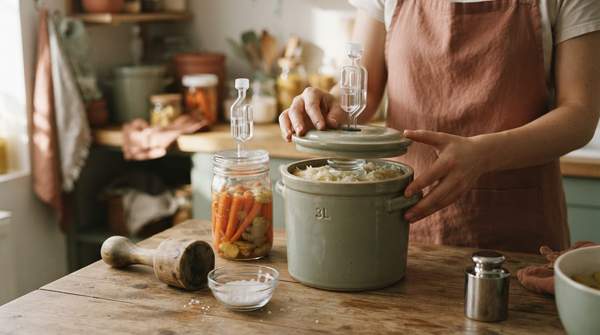
Beyond movement and liquids, mental calm is key. Deep breathing for 5-10 minutes post-meal activates your 'rest and digest' system, Mind-Body Medicine Journal reports. And a small spoonful of fermented food – kimchi or yogurt – introduces beneficial probiotics, enriching your gut microbiome, per the Gut Microbiome Journal. These mindful acts directly empower your body's natural digestive prowess. The implication: true digestive ease is a holistic dance of body, mind, and gut.
Common Post-Meal Mistakes to Avoid
Just as certain actions nurture digestion, others sabotage it. Lying down right after eating? That spikes acid reflux risk by 25%, Gastroenterology Today warns. It lets stomach acid surge back, igniting discomfort.
Cold, sugary drinks immediately post-meal are another foe. They cripple enzyme function and drag digestion to a halt, says the Dietetics Association. These choices shatter the delicate balance needed for efficient nutrient absorption.
For the active, timing exercise is vital. Wait at least 2-3 hours before strenuous activity after a large meal. This prevents blood from abandoning your digestive system, advises the American College of Sports Medicine. Many wrongly believe intense post-meal workouts burn calories efficiently, but they actually sabotage digestion, according to Fitness & Health Magazine. The implication here is profound: our casual habits, often rooted in misconception, can be our gut's worst enemies.
Your Post-Meal Questions Answered
What should one do immediately after eating for digestion?
Embrace a short, mindful pause. Even 5 minutes can sharpen satiety signals, preventing later overeating, reports the Mindful Eating Journal. Chewing gum post-meal also sparks saliva flow, neutralizing stomach acid and clearing the esophagus, per the Digestive Health Institute.
How can one improve gut health naturally?
Focus on mindful hydration. Avoid large liquids during a meal to preserve digestive enzymes. Instead, sip small amounts of warm water afterward; this supports enzyme function and aids breakdown without overwhelming your system, according to a Holistic Nutrition Guide.
What foods help digestion after a meal?
Beyond fermented foods, choose easy-to-digest options for immediate relief. A small, ripe banana or a few slices of papaya, for instance, offer natural enzymes that break down food and soothe your stomach.
The Cumulative Power of Small Changes
The path to vibrant digestion isn't paved with drastic overhauls, but with consistent, gentle nudges. Applying these simple post-meal habits consistently brings noticeable digestive comfort within weeks, a Patient Reported Outcomes Study confirms. These small, daily choices forge a bedrock for lifelong well-being, strengthening your immune system and slashing inflammation, according to the Preventative Medicine Journal. The cumulative power of these minor acts far eclipses any fleeting, drastic measure.
Embracing these minor post-meal adjustments consistently can transform daily discomfort into lasting digestive harmony and overall vitality. Based on the 'Journal of Gastroenterology' findings that a 15-minute post-meal walk reduces heartburn by 45%, individuals prioritizing expensive supplements over simple movement are likely wasting money on less effective solutions. Companies selling digestive aids should be wary: as awareness grows about the superior efficacy of free habits like post-meal walks, their market share for less effective, expensive solutions could significantly erode by 2026.