Someone seeking psychotherapy after a relationship ends may initially want help with anxiety or grief. As the conversation develops, questions about family responsibilities, earlier relationships, personal independence, and expectations for the future may also become part of the work.
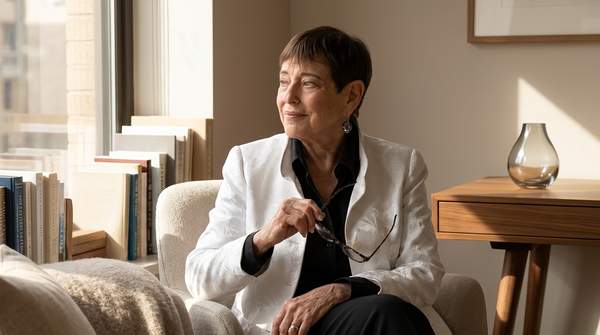
Dr. Diane Pomerantz approaches psychotherapy with an interest in those connections. A Maryland-licensed psychologist with more than four decades of experience, she offers online psychotherapy for concerns including women’s issues, anxiety, parenting, relationship difficulties, infertility, adoption, and significant life transitions.
A Life Transition Rarely Involves Just One Concern
A major change can affect several areas of life simultaneously. The end of a marriage may alter daily routines and family relationships, while a serious medical diagnosis may create uncertainty about work, responsibilities, and the future.
Even anticipated changes can bring unexpected emotional responses. Becoming a parent, entering a new stage of adulthood, or making decisions about family life can raise questions that are difficult to resolve through practical arrangements alone.
Dr. Pomerantz’s professional work includes many of these experiences. Her areas of practice encompass depression, anxiety, divorce, family conflict, infertility, adoption, grief, and the emotional consequences of physical illness.
The breadth of those concerns reflects a central feature of psychotherapy: individuals bring personal histories as well as immediate problems into the therapeutic relationship. A difficulty that appears straightforward at first may become more understandable when considered alongside earlier experiences.
Dr. Pomerantz pays attention to that history. Her approach emphasizes understanding the relationships, emotional patterns, and experiences that contribute to the way someone responds to present circumstances.
This allows the work to address the immediate concern while examining its wider personal context. A life transition may be the reason someone seeks help, but the individual’s experience determines which questions become significant during therapy.
A Therapist Who Sees the Work as a Shared Journey
Dr. Pomerantz describes herself as a down-to-earth clinician who generally avoids defining people through labels. She approaches psychotherapy as a collaborative relationship in which the person seeking treatment remains an active participant.
In her professional profile, she uses the image of traveling along a path with someone who knows the surrounding terrain. The psychologist brings experience and knowledge, while the person receiving treatment determines the direction of the journey.
That description gives an indication of what she values in the therapeutic relationship. She wants people to feel comfortable examining difficult experiences while having access to professional guidance and practical strategies when needed.
Someone entering psychotherapy may have questions that are hard to express at first. A person might recognize recurring anxiety without understanding its connection to a relationship, or experience distress about a family decision while also questioning personal expectations.
The collaborative approach allows those questions to develop through conversation. The individual contributes knowledge of their own life, while the psychologist draws on professional experience to help examine patterns and consider possible responses.
Dr. Pomerantz identifies an increased sense of self, greater ability to use one’s voice, and stronger self-reflection among the aims of her work. These goals reflect her interest in helping individuals develop a deeper understanding of their experiences and choices.
Women’s Issues Across Different Stages of Adulthood
Women’s issues are among Dr. Pomerantz’s principal specialties, together with parenting and anxiety. Her professional experience includes circumstances that can arise at different stages of adult life, from questions about relationships and family formation to separation, illness, and changes in personal responsibilities.
These experiences can involve expectations that developed long before the immediate problem appeared. A woman considering parenthood may be examining hopes formed over many years, while someone approaching separation may be reconsidering assumptions about partnership and independence.
Practical pressures can make those questions especially difficult. Employment, caregiving, financial responsibilities, and family relationships may continue demanding attention while someone is experiencing significant emotional uncertainty.
Dr. Pomerantz’s work provides a setting in which those concerns can be examined together. Her experience with adults and families allows attention to move between individual needs and the relationships that shape daily life.
The emotional experience of a transition can also change over time. A decision that initially produces relief may later bring grief or uncertainty, while an unexpected difficulty may prompt reconsideration of plans that once seemed settled.
Psychotherapy allows those responses to be explored as they develop. Dr. Pomerantz’s emphasis on personal history and self-reflection gives the work room to address both present circumstances and the expectations influencing them.
Relationships and the Experience of Losing Confidence
Relationship difficulties are another established area of Dr. Pomerantz’s professional work. Her experience includes family conflict, divorce, domestic abuse, and concerns involving trust and emotional independence.
A person may seek therapy after repeated disagreements, a loss of confidence in a relationship, or the painful decision to separate. The experience may also raise questions about earlier patterns of attachment and the expectations brought into intimate relationships.
Dr. Pomerantz’s clinical interests include personality development and the ways personal experiences influence relationships. Her earlier professional work involved the study and treatment of childhood trauma, which contributed to her understanding of emotional development across the life cycle.
That background can inform the examination of present relationships. Understanding earlier experiences may help explain why particular situations provoke strong reactions or why familiar patterns continue despite a desire for change.
Dr. Pomerantz has also written about her own experience of an emotionally abusive marriage. Her memoir, Lost in the Reflecting Pool: Surviving Narcissistic Emotional Abuse, explores the relationship and the process through which she came to understand it differently.
The book offers a personal perspective on subjects she has encountered professionally. Her psychotherapy work focuses on the concerns and experiences brought by the individual seeking treatment, allowing each person’s circumstances to guide the therapeutic conversation.
Parenting, Infertility, and Adoption
Parenthood involves psychological questions that can begin long before a child arrives. Infertility, adoption, and the effort to build a family may bring uncertainty, disappointment, difficult decisions, and changes to expectations about the future.
Dr. Pomerantz identifies infertility and adoption among her areas of clinical experience. Her professional background also includes extensive work with children and families in medical, educational, and therapeutic settings.
Before undertaking her doctoral studies, she provided psychiatric casework services to families through a pediatric project at NYU-Bellevue Hospital in New York City. During her studies in California, she served as clinical coordinator of the Children’s Trauma Center, a therapeutic preschool at Children’s Hospital in Oakland.
These experiences contributed to her professional understanding of childhood development and family relationships. She later continued working with children, adults, and families through a range of clinical and educational settings.
Parenting remains one of her principal specialties. Concerns may involve relationships with children, family conflict, changing responsibilities, or the emotional expectations parents bring to their role.
Dr. Pomerantz has also examined motherhood through her published writing. In her Psychology Today essay The Good Enough Mother, she draws on Donald Winnicott’s concept of responsive but imperfect caregiving to reflect on parental guilt and the development of resilience.
Her interest in parenting therefore connects psychological theory, clinical experience, and reflection on family life. These perspectives can contribute to conversations about the challenges parents face as children grow and family circumstances change.
Anxiety and the Search for Understanding
Anxiety is a principal specialty in Dr. Pomerantz’s practice and can become particularly difficult during periods of uncertainty. Decisions involving relationships, health, family responsibilities, or the future may bring persistent worry and make ordinary choices feel more demanding.
The immediate experience of anxiety may be connected with circumstances a person can identify readily. At other times, someone may recognize recurring reactions without understanding why particular situations produce such distress.
Dr. Pomerantz has experience with both long-term psychotherapy and shorter-term cognitive behavioral treatment. Following her postdoctoral fellowship at Sheppard and Enoch Pratt Hospital in Baltimore, she remained on staff for ten years, providing intensive long-term treatment as well as short-term cognitive behavioral therapy.
Her professional listings also identify psychodynamic, interpersonal, relational, attachment-based, and other therapeutic approaches. This background reflects experience with different methods of examining emotional difficulties and helping people develop responses to them.
The work can involve exploring earlier relationships, recognizing patterns of thinking or behavior, and considering practical ways to approach difficult situations. The individual’s concerns and the therapeutic relationship provide the context in which these methods are used.
Dr. Pomerantz emphasizes having both psychological knowledge and practical strategies available when needed. Her approach gives attention to understanding an experience while recognizing that people may also be seeking help with decisions and difficulties in their daily lives.
What Online Psychotherapy With Dr. Pomerantz Offers
Dr. Pomerantz’s Psychology Today profile identifies her Maryland-based practice as available online only. Her professional listings include individual and family therapy, with services addressing women’s issues, anxiety, parenting, relationships, and a wider range of psychological concerns.
Virtual appointments allow people to attend psychotherapy without traveling to a consulting room. The arrangement can be practical for individuals managing employment, caregiving, health concerns, or responsibilities that make additional travel difficult.
Dr. Pomerantz’s public profile also provides information about fees, insurance arrangements, and an introductory consultation. Prospective patients can contact her to discuss the concerns prompting an inquiry and learn more about the services available.
Her Psychology Today listing offers a free 15-minute consultation. This provides an opportunity to introduce the reason for seeking therapy, ask about her approach, and discuss whether her professional experience is appropriate for the concerns involved.
The practice also includes therapeutic writing, which Dr. Pomerantz incorporates into her general psychotherapy work. She offers Healing through Writing Groups for people interested in examining personal experiences through reflective writing.
Her official author website provides information about this aspect of her practice and a way to inquire about group participation. The writing approach reflects her belief that putting experiences into words can provide distance and support a different understanding of personal history.
Professional Experience Across the Life Cycle
Dr. Pomerantz’s clinical career has included work in hospitals, public schools, residential treatment settings, private practice, teaching, and supervision. She has also published professional articles addressing childhood trauma and personality development.
That range of experience contributes to her interest in how people develop emotionally and how relationships influence their lives. The concerns of childhood, adulthood, parenting, and later life may differ, but personal history can continue shaping the way individuals respond to new circumstances.
Her professional work combines an interest in these developmental experiences with attention to the person seeking treatment. She has described the importance of understanding people beyond diagnostic labels and helping them find their own direction through difficult circumstances.
For someone considering psychotherapy, her experience offers a combination of long-term clinical practice, familiarity with significant life transitions, and a collaborative approach to emotional difficulties. Her online services provide a direct way to inquire about that work.
Learn More About Dr. Diane Pomerantz’s Online Psychotherapy
Dr. Diane Pomerantz brings extensive experience with women’s issues, anxiety, parenting, relationships, and life transitions to her Maryland-based online psychotherapy practice. Her collaborative approach emphasizes personal history, self-understanding, and practical support as individuals examine the difficulties they are facing.
Visit Dr. Diane Pomerantz’s Psychology Today profile to learn more about her services and request a free 15-minute introductory consultation.