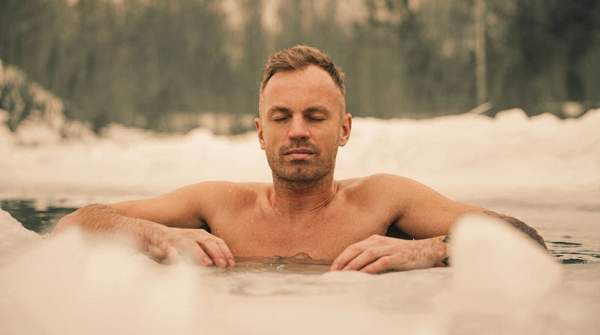
Cold water immersion can genuinely shift your physiology—research links it to better mood, reduced inflammation, faster exercise recovery, and greater stress resilience—but it also carries real risks, including hypothermia and a dangerous cold shock response. The evidence is promising but largely preliminary, drawn from small studies. Whether it's right for you depends on your goals and your heart health, and if you have cardiovascular risk factors, the first step is a conversation with your doctor, not a plunge.
Physiological Benefits of Cold Water Immersion
When you deliberately immerse your body in cold water, several distinct physiological responses follow. A scientific review published through the National Library of Medicine notes that cold water therapy may positively affect cardiometabolic risk factors, stimulate brown adipose tissue, and promote energy expenditure. It also triggers the release of stress hormones, catecholamines, and endorphins, which can enhance alertness and elevate mood, while reducing inflammation and improving recovery after exercise.
The mental health evidence is particularly interesting. In one study described in a peer-reviewed paper on brain networks, participants in a 10-week open-water swimming program showed significant increases in positive mood and decreases in negative mood. Even a single chest-deep immersion in open water produced less negative mood disturbance and significantly increased vigor and esteem-related effects, with medium-to-large effect sizes.
The Cleveland Clinic points to additional potential gains: reductions in stress, improved alertness and focus, better sleep quality—particularly for endurance athletes—and preliminary evidence of immune system support. Stanford Lifestyle Medicine adds a compelling stress angle: while cortisol levels stay relatively stable during immersion, they significantly decrease afterward, and repeated exposure appears to blunt the cortisol response over time.
Navigating the Cold Shock Response and Adaptation
The first 30 seconds in cold water are the most dangerous, and understanding why explains the entire safety case for gradual progression. Peer-reviewed research documents the expected initial response: an involuntary "inspiratory gasp," hyperventilation, and tachycardia—a racing heart. This hyperventilation reflects a stress response accompanied by sympathetic nervous system overdrive that peaks within 30 seconds and typically adapts over 3 to 5 minutes of immersion in most individuals.
That involuntary gasp matters because it can cause drowning if your head goes under before you've gained control. Stanford Lifestyle Medicine emphasizes that entering cold water suddenly triggers this gasp reflex followed by hyperventilation, which is why a controlled, gradual entry is essential.
Here's the encouraging part: your body learns. Stanford highlights research showing that with repeated cold exposure, the cortisol response diminishes while the noradrenaline response stays consistent. As Dr. Chawla of Stanford explains, "Resilience is the ability to adapt to life's stressors and adversities"—and by producing less cortisol in response to cold, practitioners may also release less cortisol when facing everyday stressors, fostering a more resilient physiological state over time.