The healthiest upgrade to your home may already be streaming through your windows—you just have to stop blocking it. Natural light helps regulate the circadian rhythms that govern sleep and wake cycles, and research increasingly links daytime daylight exposure to better sleep, improved mood, sharper focus, and reduced stress. The good news for homeowners is that you don't need a major renovation to capture these benefits: a structured ladder of interventions, from a tin of white paint to a new skylight, can measurably brighten the way you live. This guide walks through the science, then presents a decision framework that sorts proven strategies into three tiers—simple decor, minor renovations, and major architectural changes—so you can match effort and budget to your own space.
The Power of Natural Light: Enhancing Home Well-being
Daylight is so ordinary that most of us never think of it as a design material, let alone a health resource. Yet a review published in the National Library of Medicine's open archive frames natural light exposure as a candidate "pillar" of lifestyle medicine, alongside established behaviors like consistent sleep schedules. The authors identify specific practices that promote circadian synchronization and enhance sleep quality: seeking morning light, increasing exposure to natural light throughout the daytime—even through a window—and limiting artificial light in the evening. Collectively, they argue, these measures may support proper alignment of the circadian system and contribute to improved cardiovascular and overall health.
That framing matters for homeowners because the home is where the behaviors happen. Inge van de Wouw, writing for the World Green Building Council, puts the lived experience plainly: research reiterates that exposure to the right amounts of light during the day strongly impacts mood, energy levels, comfort, sleep quality, and health and well-being in general. The Interior Design Institute makes the same connection from the design side, noting that the growing popularity of biophilic design—principles emphasizing human connection to nature—comes precisely because light does measurable work in residential and commercial spaces alike. In other words, your window placement and your curtain choices are not just aesthetic decisions; they shape your daily light dose.
It's worth being clear about what this article is and isn't. What follows focuses on design principles for residential homes and is general guidance, not medical advice. It also stays out of the technical territory of artificial circadian lighting systems. And where major architectural work is concerned, these are principles to discuss with an architect or designer, not blueprints to execute yourself.
Physiological and Psychological Benefits of Natural Light
The central mechanism is the circadian system, the internal clock that governs sleep and wake cycles. As the lifestyle-medicine review explains, natural light helps keep that clock aligned with the day outside, and misalignment carries consequences—adverse health outcomes that may include cardiovascular disorders. The review's recommendations for circadian synchronization are refreshingly domestic in scale: get morning light, increase daylight exposure across the whole day, and keep evenings dim. A home that admits and distributes daylight well makes the first two practices nearly automatic.
The psychological benefits track the physiological ones. The Interior Design Institute reports that daylight can improve focus, reduce stress, and contribute to better overall well-being, with mood and productivity lifted as circadian rhythms stay regulated. Van de Wouw describes the same pattern from an occupant's perspective: we feel better and are more productive with access to natural light, and it has a powerful impact on both body and mind. For someone working, parenting, or simply living at home through the day, that means the quality of light in a room can plausibly shape the quality of the hours spent in it.
There is one important nuance: more light is not automatically better light. The architectural guide from Archival Designs distinguishes direct sunlight—high intensity and warmth, but prone to glare and heat gain—from diffused light, the soft illumination of cloudy skies or light softened by window treatments. Direct sun must be managed with shades or diffusers to prevent excessive heat gain and glare. The goal of good design is therefore twofold: admit as much daylight as possible, then control its quality so it stays comfortable.
Tier 1: Simple Decor Changes for Brighter Spaces
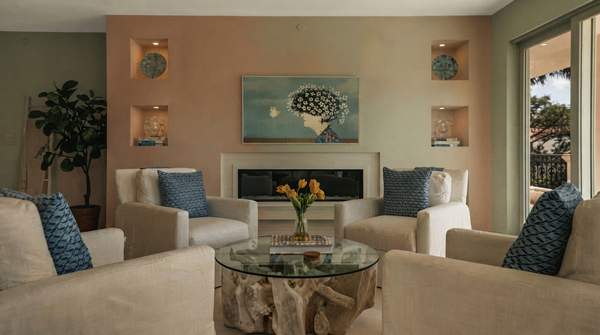
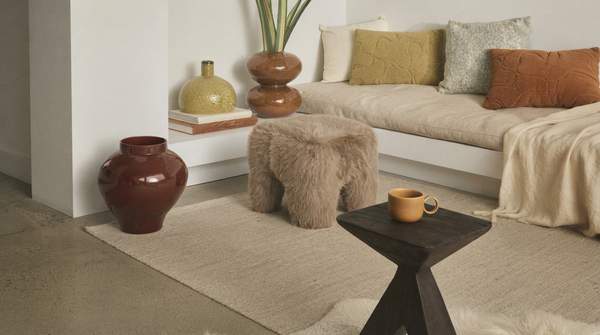
The cheapest interventions happen with a paintbrush and a bit of furniture rearranging. Color is the most powerful lever: lighter shades such as whites, creams, and pastels reflect more light, making spaces appear brighter and more expansive, according to the Interior Design Institute. Darker accents still have a role—used deliberately, they create depth and contrast that can enhance the effect of natural light—so the strategy is balance, not a blanket ban on dark tones. The Institute also notes that color choices carry their own psychological effects, evoking calm, energy, or creativity in naturally lit rooms.
Furniture is the second lever, and it works in both directions. Furniture can either enhance or obstruct the flow of natural light, the Institute cautions—a large wardrobe parked in front of a window or a dark sectional sprawled across the brightest wall can undo the gains from a repaint. The practical test is simple: stand where the light enters and trace its path across the room. Anything blocking that path is a candidate for relocation, and any dark, light-absorbing surface in its way is a candidate for a lighter replacement or a reflective accent.
These changes cost little and can be done in a weekend, which is why they belong at the bottom of the effort ladder. They amplify existing light rather than adding new sources, so their impact depends on what the architecture already delivers. If your windows are small or badly positioned, decor alone will hit a ceiling—but it's still the sensible first move, because every later tier builds on a room that reflects and distributes light efficiently.
Decision Framework: Enhancing Natural Light in Your Home
The framework below organizes natural light strategies into three tiers by implementation cost and effort, and links each to its design principle and evidence-backed health benefit. The analytical logic is straightforward: assess which tier fits your budget and renovation appetite, start at the lowest tier available to you, and escalate only when decor and window treatments have exhausted what they can do with your home's existing openings.
| Intervention level | Design principle | Actionable strategy | Associated health benefit |
|---|---|---|---|
| Tier 1: Simple decor | Light-enhancing color schemes | Paint walls in lighter shades—whites, creams, pastels—that reflect more light; use darker accents sparingly for depth and contrast | Brighter, more expansive-feeling rooms support the mood and well-being benefits of daylight exposure |
| Tier 1: Simple decor | Furniture placement | Move furniture off the light's path from windows; avoid dark, light-absorbing pieces in the brightest zones | Unobstructed daylight flow sustains exposure that aids focus, stress reduction, and overall well-being |
| Tier 2: Minor renovations | Glare and light quality control | Use sheer curtains or blinds so diffused light enters while privacy is maintained; manage direct sun with shades or diffusers to prevent glare and heat gain | Comfortable, glare-free daylight makes daily light exposure—linked to better mood and energy—actually pleasant |
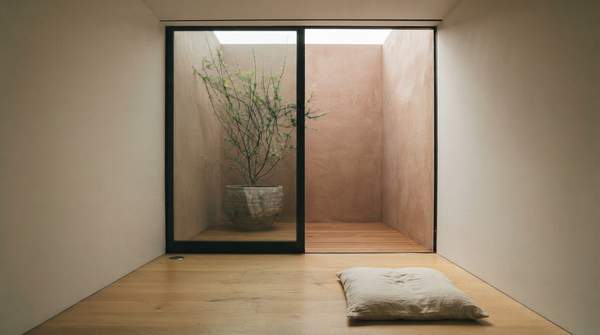
| Tier 3: Major architectural changes | Architectural features that increase light penetration | Install larger windows, clerestory windows, or skylights; favor south-facing windows, which capture abundant direct sunlight year-round (with professional consultation) | Deeper, more consistent daylight supports circadian synchronization, sleep quality, and improved cardiovascular and overall health |
Read the table top to bottom as an escalation path rather than a menu. Tier 1 is low-cost and easy to implement, and it works in any home. Tier 2 addresses the comfort problem that Tier 1 cannot: if bright direct sun makes a room unusable, window treatments convert that light into a diffuse, even glow. Tier 3—per Archival Designs, whose guide credits large windows, clerestory windows, and skylights as powerful tools for increasing light penetration to the deepest corners of a home—is the structural answer for rooms that decor and curtains simply cannot rescue.
Tier 2: Minor Renovations for Enhanced Light
Between decor and construction sits a tier most homeowners underrate: changing what covers the glass. The distinction between direct and diffused light is what makes window treatments a health intervention, not just a styling choice. Sheer curtains and blinds allow diffused light to enter while maintaining privacy, and shades or diffusers prevent the glare and heat gain that direct sunlight otherwise brings. If a west-facing room bakes and blinds you through the afternoon—as Archival Designs notes of harsh, low-angle western sun, prone to glare—then managing that opening matters more than enlarging it.
The minor-renovation tier is also where orientation enters the decision. The same guide maps light character to room use: south-facing windows are prized for capturing abundant direct sunlight that makes living areas feel warm and inviting throughout the year, while west-facing exposures demand shading devices. A homeowner weighing modest changes—new blinds here, a different treatment there—can use that logic: spend the most on openings whose light you want to invite, and treat the openings whose light you need to tame.
Making Light Work for You: A Brighter, Healthier Home
Homeowners can significantly improve their well-being by implementing natural light design principles, choosing strategies that align with their budget and renovation comfort level. The decision path is tiered by design: start with reflective paint and furniture placement, refine glare and privacy with the right window treatments, and reserve skylights, clerestory windows, or larger openings—designed with professional help—for spaces the lighter tiers can't fix. The measurable indicator that tells you the changes are working is concrete: improved sleep quality, enhanced mood, and increased daytime energy levels reported by residents, alongside a visibly brighter and more inviting living space. Track how the room feels at midday, how easily you wake, and how often you reach for the light switch during daylight hours—those observable shifts are your evidence that the light is doing its work.