You do not need a renovation, a garden, or a homeowner's budget to bring biophilic design into a small urban apartment. The design philosophy—rooted in the idea that humans function better in contact with nature—scales down remarkably well. What you need is a way to choose among options, because they range from things you can do this afternoon for free to investments that only make sense if you own your space. That choice is what this guide provides: a four-tier decision matrix, from No Cost to High Cost, with concrete examples for each, so you can pick two or three interventions that match your renter status, your square footage, and your wallet.
Understanding Biophilic Design: Connecting with Nature Indoors
The most-cited framework in the field, the "14 Patterns of Biophilic Design" from Terrapin Bright Green, defines the entry point simply: "A view to elements of nature, living systems and natural processes." Its examples include potted plants, water features, aquariums, green walls, and bird feeders. The Global Wellness Institute has used those same patterns as a framework for practical implementation in interior environments, which is exactly what we're doing here for apartments.
The patterns boil down to three ways of connecting with nature, and each one opens different doors in a small home. Direct connection means physical contact with living nature—plants, daylight, moving water. Indirect connection means natural materials, colors, textures, and images that evoke nature without actually being alive. Space and place, as GrowUp Greenwalls' guide by Grant Leishman puts it, covers spatial configurations that "tap into primal instincts by offering environments that simulate the safety, curiosity, and stimulation found in natural habitats"—think a cozy nook that feels sheltered, or a seat with a long view out.
Why does this matter for apartment dwellers specifically? Because interior designer Marlowe Kinney of Folia Collective describes the goal as a room where "Nothing is shouting for attention, it just feels good"—good light, something green, a wood table that feels nice under your hand. You can build that feeling without a greenhouse. This guide is residential only, doesn't cover structural changes, and offers illustrative options rather than an exhaustive catalog.
Biophilic Design for Small Urban Spaces: Your Actionable Decision Matrix
Here is the practical core of this article. I've classified specific interventions by what they typically cost in money and effort, using the plant and material examples that the sources identify as suitable for small, low-light urban homes. If you rent, the No Cost and Low Cost rows are fully reversible; the Medium row is mostly reversible; the High Cost row generally assumes a longer-term commitment. Choose at least one item from each tier you're comfortable with.
| Tier | What you're doing | Specific examples for small spaces | Renter suitability |
|---|---|---|---|
| No Cost | Direct + spatial: optimize what already exists | Rearrange furniture to open a window view or create a sheltered reading nook by the window; assess daylight, views, airflow, and any existing greenery—what GrowUp's guide calls a "nature audit" | Fully reversible |
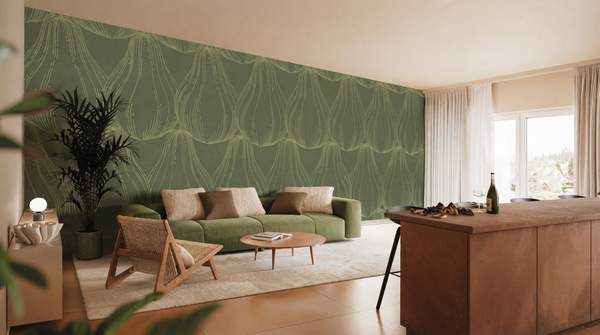
| Low Cost | Direct + indirect: small living elements and textiles | A snake plant, pothos, philodendron, spider plant, ZZ plant, or peace lily—choices repeatedly named as low-light, low-maintenance; natural fiber rugs, linen, or a nature print | Fully reversible |
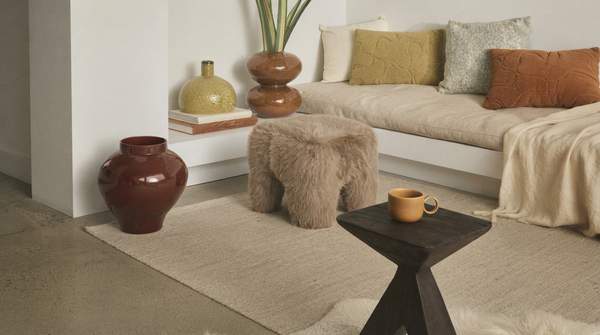
| Medium Cost | Indirect: lasting natural materials | Wood furniture or wood-accent pieces, stone or wood decorative elements, clustering several planters into one leafy "restorative" zone | Mostly reversible |
| High Cost | Direct + spatial: substantial features | Large plant installations or a green wall; significant water features or larger-scale applications of natural materials like stone | Assumes ownership or long-term residency |
The matrix is a synthesis: no single source publishes these four tiers, so the classification reflects common design practice and the relative expense and effort of each intervention, drawn from the sources cited throughout this article. Cost within a tier varies by where you shop and the scale of what you buy.
No Cost Interventions: Maximizing Existing Connections
Start with what your apartment already has. GrowUp's implementation sequence begins with a "nature audit": assess your access to daylight, views, airflow, and existing green elements before spending anything. In a small apartment that means noticing which window gets the strongest light, which corner is dark, and where you actually sit.
Then rearrange. The spatial patterns that Leishman's guide describes—safety, curiosity, stimulation—can be executed with furniture placement alone. Pull your reading chair to the window to create a sheltered "refuge" nook with a view. Orient a desk or sofa so it faces the longest sightline in the room, giving you what the pattern frameworks call a prospect view. Open blinds fully during daylight hours. Passive daylighting is the one biophilic element every apartment already owns.
Low Cost Interventions: Bringing Nature In Affordably
This is the tier where most apartment dwellers should focus, because the sources converge strongly on a shortlist of forgiving plants. Lively Root's guide by Bryce Drawe recommends snake plants, ZZ plants, spider plants, and cast iron plants for low-light corners, with compact peperomia for desks. Fleurtations highlights snake plants for low-light corridors where they need only sparse watering, plus peace lilies. The Little Botanical praises pothos—"it grows almost anywhere, making this fun plant tough as old boots"—along with philodendron and the low-light-tolerant Chamaedorea palm.
One honest caveat from Lively Root: even windowless rooms aren't plant-free zones, but "plants still need usable light"—use a grow light or rotate the plant into a brighter spot. On the indirect side, natural fiber rugs, linen textiles, and a framed nature print all count. Practitioner advice posted by the International Biophilic Products Association suggests a trailing pothos, a snake plant behind your chair, and a small parlor palm as an afternoon-sized refresh—a recipe it offers as community-shared guidance, not the association's formal standard.
Medium Cost Interventions: Enhancing Your Space with Lasting Elements
The medium tier shifts from living things to lasting natural materials, the "wood table that feels really nice under your hand" that Kinney describes. Folia Collective's approach brings nature in "through daylight, plants, natural materials, texture, and outdoor views"—at this tier, the materials take the lead. A solid wood side table, shelving, or a stone tray are apartment-scaled versions of what HDG Building Materials' Angie Bagg describes in larger urban projects, where natural stone and wood surfaces connect the built environment to nature.
Another medium-cost move is scale clustering. Rather than scattering three small plants, group them into one leafy zone—the "restorative pause" configuration that the biophilic products community post recommends concentrating at places you stop and linger. A cluster of planters by your coffee spot costs more than a single snake plant but creates a genuinely noticeable presence of nature in the room.
High Cost Interventions: Strategic Investments for Deep Connection
The high tier is where renter status really matters. Terrapin Bright Green's pattern list includes water features, fountains, aquariums, green walls, and vegetated roofs—several of which appear in its examples of the strongest direct-nature experiences, achieved through "diversity, movement and multi-sensory interactions." In an apartment, the realistic versions are a substantial green wall, a large planted installation, or a significant investment in natural material surfaces.
These make sense primarily if you own or expect to stay for years, since installation, wall attachment, and maintenance costs are real. GrowUp's scaling advice—start small with greenery and textures, and only "scale up" to courtyards, green roofs, and integrated water features when warranted—maps neatly onto apartment life: the small strategies are for renters, the scaled ones for owners. If you're renting on a one-year lease, spend this money on the tiers above instead.
Making Your Urban Home a Biophilic Haven: Next Steps
The decision is simple: begin implementing biophilic design elements by choosing at least one intervention from the No Cost or Low Cost categories that fits your current living situation and budget. For a renter, that might mean a window nook and a snake plant this weekend; for an owner, it can extend to wood and stone materials or a green wall later.
The measurable indicator of success is concrete: the presence of new plants, natural materials, or optimized natural light in your living space, and a noticeable increase in feelings of calm and connection to nature. Start with the nature audit, pick your tier, and let the room tell you where to go next.
Sources
- 14 Patterns of Biophilic Design — Terrapinbrightgreen
- Globalwellnessinstitute
- Extensive Guide to Biophilic Design: Principles, Science, Applications — GROWUP
- Biophilic Interior Design (Plus the 4 Mistakes I Avoid) - Folia Collective
- Best Low-Light Indoor Plants for Apartments, Offices, and Bedrooms — Lively Root
- These Are The Best Plants For Biophilic Interiors — Fleurtations
- How to Achieve Biophilic Interior Design — The Little Botanical
- Biophilic design: the power of plants - Biophilic Products — The International Biophilic Products Association
- Biophilic Design in Urban Spaces with Examples — HDG Building Materials