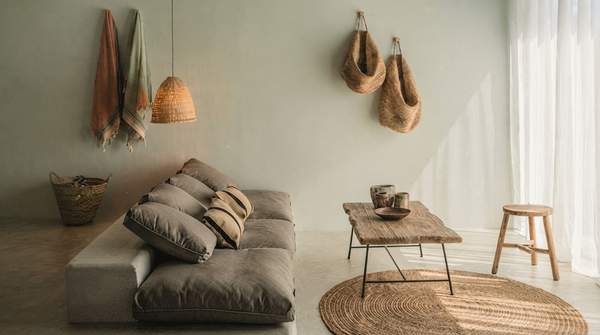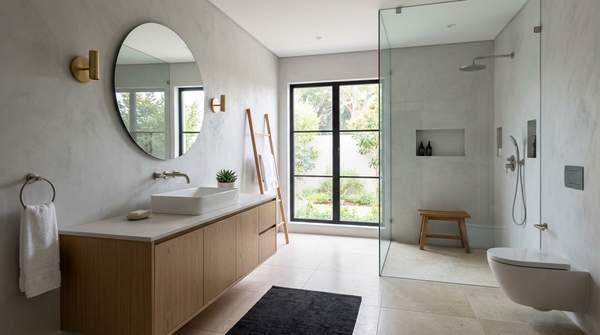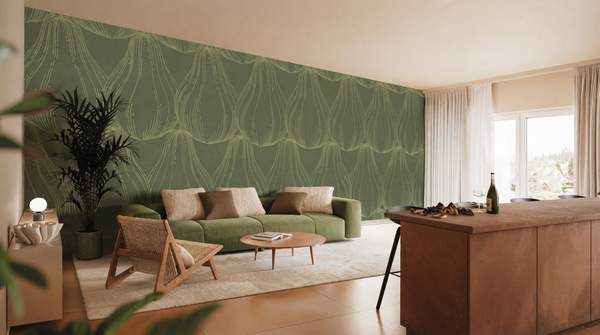
The fastest way to escape algorithm-driven design is to stop letting trends make your decisions for you. Designers describing the "anti-algorithm home" converge on the same idea: the most memorable interiors are built around the people who live in them—their routines, histories, personalities, and favorite things—rather than around what appears in every video and mood board. This guide translates that philosophy into a diagnostic checklist for spotting trend-driven habits, followed by three principles you can apply to make choices that reflect your own life.
What is the 'Anti-Algorithm Interior'?
An anti-algorithm home is not a rejection of social media or inspiration altogether. As the team at Joshua Allen Design and Sterling & Maple Home frames it, it is about refusing to let trends make every decision for you: you choose a piece because it works for your space, supports your lifestyle, and genuinely means something to you. The result, in their words, is a home that feels "personal rather than predictable, collected rather than copied, timeless rather than overly trendy."
The motivation is partly exhaustion. Interior designer Kathleen Jennison describes "trend fatigue" as one of the biggest side effects of algorithm culture: trends now move at a pace no home can realistically keep up with—one year everything is gray and minimalist, the next warm woods and vintage charm return, then maximalism, then quiet luxury. The outcome, she writes, is "a kind of aesthetic déjà vu": spaces that look polished online but strangely lifeless in person, leaving people surrounded by inspiration yet feeling less connected to their homes than ever.
Crucially, trends are not the enemy. They can introduce new materials, colors, and ideas worth borrowing. The problem begins when a trend becomes the entire design plan, because furniture, cabinetry, and lighting are significant decisions that can quickly feel dated once the next look takes over.
The Anti-Algorithm Design Habits Checklist
Before changing anything, diagnose where your current approach sits on the spectrum between algorithm-driven and personally-driven. For each question below, note whether your honest answer leans toward the left or right column. The more your answers fall on the algorithm-driven side, the more your home is being shaped by feeds rather than by you.
| Question | Algorithm-driven answer | Personally-driven answer |
|---|---|---|
| Where does your inspiration come from? | Whatever appears in every video and mood board | Your routines, memories, and favorite things |
| Why did you buy your last piece? | It was trending; I saw it and clicked | It solves a need, adds warmth, or reflects an interest |
| Will you still want it in five years? | It matches the current look | It is a timeless piece I would be happy to live with long-term |
| Does the item tell a story? | It copies a styled reference | It was collected over time and means something to me |
| How does the room function? | It is designed around what photographs well | It gives space to the parts of my life that deserve it |
The final row comes from Jennison's self-reflective questioning: "What parts of my life deserve space here?" Her answer is that those answers create far more interesting interiors than any trend forecast ever could. If several of your answers landed on the left, the three principles below offer the starting point for shifting them.
Principle 1: Design for Your Actual Lifestyle, Not a Photographed One
Algorithm-driven design optimizes for the camera: living rooms arranged around what photographs well, kitchens stripped of personality in favor of resale value. The anti-algorithm alternative starts with your real daily life. Ask what you actually do in each room—where you read, eat, work, gather—and let those routines dictate the arrangement before aesthetics enter the conversation.
This is also where imperfection earns its place. Jennison notes that people are tired of performative living and craving authenticity again, and that authenticity almost always comes with a little imperfection. A room that serves your actual habits will rarely look staged, and that is the point. The Sterling & Maple team's test is simple: an anti-algorithm home "could not belong to anyone else." If your living room could be transplanted into any house on the feed, it is serving the algorithm, not you.
Principle 2: Buy with Intention, Not Impulse
Algorithm-driven shopping encourages speed: see it, click it, order it. Intentional decorating asks you to slow down. Before bringing something into your home, consider what it will actually add—does it solve a need, bring texture, add warmth, reflect a memory or interest, or complete a larger design idea? This thoughtful approach often means selecting fewer, higher-quality items. It also encourages exploring local shops, where you can physically examine materials, assess scale, ask questions, and uncover unique finds that online searches might miss. Melena Dirou of the Australian studio Greg Natale puts the long view plainly: "Invest in things you'll be happy to live with for a long time that aren't driven by trends. Whether it's clothing or interiors, mass consumption doesn't work in the long run."
Principle 3: Layer in Personal History Through Collected Items
The collected home is the visible signature of anti-algorithm design, and it does not happen overnight. Jennison observes growing interest in interiors that feel layered, personal, and lived-in—homes with narrative that reveal something about the people inside them. The practical method is to weave in pieces that carry your own references: Dirou points to fashion, art, and graphic design as hugely influential, and notes that when you bring in pieces reflecting these subjects, "whether you've collected them over time or from different places, you're avoiding tunnel vision and doing something an algorithm never could."
The reference point can be small. "It might be an individual trinket or even a record collection," Dirou says, "but all the elements in your room will work much more successfully if they are authentic." Her advice is to honor your taste in all the details. Tom Bartlett of Waldo Studio adds a useful caveat: "Avoid imitation as much as you can, but don't be afraid if a reference in the back of your mind pops up." Borrowing a reference you genuinely love is not the same as copying a trend wholesale.
Your Home, Your Story: Moving Beyond the Algorithm
Readers should commit to making design choices that prioritize their actual lifestyle, personal history, and intentional collecting over fleeting trends and social media aesthetics. The checklist tells you where to start; the three principles tell you how to proceed—design around your routines, slow down every purchase, and let collected objects carry the narrative.
Two boundaries are worth naming. This is a guide to a design philosophy, not a directory of specific products or stores, and it will not tell you how to reconfigure a room's layout or architecture. It is also built on published commentary from working designers rather than original empirical research, so treat it as accumulated professional judgment rather than tested fact.
The measurable indicator of success is visible in the room itself: your decor will feature unique, personally meaningful items and functional arrangements that reflect your daily life, rather than appearing as a replica of popular online aesthetics. Run the checklist again after your next few purchases. If your answers have drifted from the left column toward the right—inspiration from your own history, purchases you can explain, pieces you would keep for years—you are building a home that could not belong to anyone else.