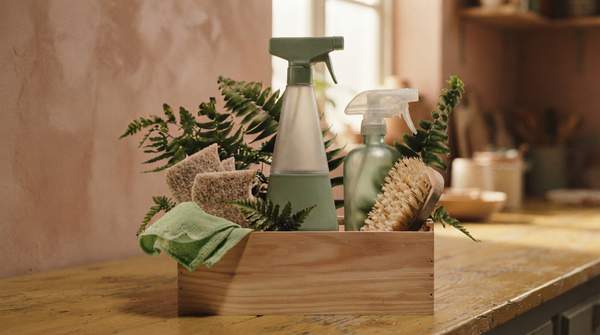
As I navigate the aisles for home cleaning products, I often find myself wondering how to make choices that are both effective and kind to our planet and my family's health. The good news is that I can confidently select sustainable and ethical home cleaning products by understanding key certifications, identifying ingredients to avoid, and considering their broader environmental impacts.
Making informed decisions about cleaning products means looking beyond vague "green" claims and delving into what's truly inside the bottle and how it impacts the world around us. This guide will help you interpret labels, recognize problematic chemicals, and choose products that align with a more eco-conscious lifestyle.
Navigating Sustainable Cleaning: Why It Matters
The choices we make about cleaning products have a tangible impact on both our indoor environment and the wider ecosystem. For instance, the US Environmental Protection Agency (EPA) notes that concentrations of many volatile organic compounds (VOCs) are consistently two to five times higher indoors than outdoors, with household cleaning products being a significant contributor. These gases are released when I spray or pour many common cleaners and can linger in poorly ventilated rooms, a problem exacerbated in modern, tightly sealed homes.
Beyond indoor air quality, the ingredients in cleaning products can also affect water quality. The EPA explains that ingredients containing phosphorus or nitrogen can contribute to nutrient-loading in water bodies, which can harm aquatic life. While these contributions are typically small compared to other sources, they are still a factor in the overall environmental footprint of cleaning products. Some surfactants in conventional products may also biodegrade slowly or break down into more toxic, persistent chemicals, further threatening aquatic ecosystems.
Decoding Certifications: Your Guide to Trusted Labels
When I'm trying to identify genuinely sustainable and ethical cleaning products, certifications act as reliable guides, cutting through the noise of "greenwashing." The American Cleaning Institute (ACI) highlights that these certifications can help align product choices with personal values and priorities.
Here are some key certifications to look for:
- EPA Safer Choice: The EPA manages the Safer Choice program, which certifies products containing ingredients deemed safer for human health and the environment. This label helps purchasers identify greener cleaning products. The EPA also offers the Design for the Environment (DfE) label for antimicrobial products like disinfectants and sanitizers.
- EWG VERIFIED: The Environmental Working Group (EWG) offers its EWG VERIFIED certification, indicating that products meet strict health and environmental standards, backed by scientific research. The EWG's Guide to Healthy Cleaning provides further information on this certification.
- PETA Beauty Without Bunnies: This program from PETA signifies that a brand and its ingredient suppliers do not conduct, commission, pay for, or allow any animal testing for ingredients, formulations, or finished products anywhere in the world, and commit to not doing so in the future.
- EU Ecolabel and ECOCERT: For those in Europe, the EU Ecolabel and ECOCERT certifications offer credible guidance for environmental and ethical product choices. These certifications are recognized for their robust environmental standards.
- Animal Welfare Certifications (e.g., Vegetarian Society Approved): Many everyday products can contain hidden animal-derived ingredients. Certifications like the Vegetarian Society Approved trademark provide clear, reliable assurance that products do not contain such ingredients, addressing ethical concerns for those seeking vegan or vegetarian options.
Ingredients to Avoid: Protecting Health and Environment
Even without a formal certification, I can learn a great deal by scrutinizing a product's ingredient list. Brands committed to transparency will list every ingredient, including individual fragrance components, according to The Eco-Friendly Life. Consumer Reports emphasizes that without full ingredient transparency or knowing which chemicals to watch out for, selecting "clean" cleaners can be challenging.
Here are some problematic ingredients and their potential impacts:
- Volatile Organic Compounds (VOCs): As mentioned by the EPA, VOCs in cleaning products can affect indoor air quality and contribute to smog formation outdoors. These gases are released when spraying or pouring cleaners and can linger in poorly ventilated rooms, with indoor concentrations often 2 to 5 times higher than outdoors.
- Phosphates and Nitrogen: The EPA notes that ingredients containing phosphorus or nitrogen can contribute to nutrient-loading in water bodies, leading to adverse effects on water quality and aquatic ecosystems.
- Formaldehyde: Consumer Reports indicates that formaldehyde, which can be released from some preservatives, is linked to cancer. It can also be released into the air from cleaning products, affecting household air quality.
- Hidden Fragrance Components: Consumer Reports advises going fragrance-free because the components of a "fragrance" are not always required to be listed on labels. Fragrances can contain hundreds of hidden ingredients, many of which have been associated with health problems, including endocrine disruption, cancer, and developmental toxicity. Fragranced cleaning products can also contribute to indoor air pollution. While California law requires ingredient disclosure, some exceptions exist for confidential business information, meaning some problematic chemicals might still be present.
- Ammonium Quaternary Compounds: Commonly used as disinfectants, some ammonium quaternary compounds are linked to reproductive harm in animal studies, as well as asthma and irritation, according to Consumer Reports.
- Slow-Biodegrading Surfactants: Many surfactants in conventional products biodegrade slowly or break down into more toxic, persistent, and bioaccumulative chemicals, posing a threat to aquatic life, as detailed by the EPA.
Beyond the Bottle: Packaging and Product Lifecycle
My journey toward more sustainable cleaning doesn't stop at ingredients; it extends to the entire lifecycle of the product, particularly its packaging. The Eco-Friendly Life points out that making progressively better choices adds up over time in ways that genuinely matter.
Here's how to evaluate the broader environmental impact:
- Packaging Sustainability: Choosing refill systems and concentrated products significantly reduces packaging waste and the overall environmental footprint. Moving to concentrates is a practical shift for reducing environmental impact, as noted by the EPA. This approach minimizes the amount of plastic and other materials that end up in landfills or oceans.
- Ingredient Biodegradability: Consider how ingredients break down after use. Products with readily biodegradable ingredients are less likely to persist in the environment and harm aquatic ecosystems. The EPA highlights that slow-biodegrading surfactants can threaten aquatic life, making the biodegradability of ingredients a crucial factor.
- Resource Management: Certifications like the Forest Stewardship Council (FSC) indicate that products and their ingredients come from responsibly managed forests that provide environmental, societal, and economic benefits, according to the ACI. While primarily for paper-based products, this principle extends to any cleaning product packaging or components derived from forest resources.
Making Confident Choices for a Greener Home
Choosing sustainable and ethical home cleaning products empowers me to create a healthier living environment while minimizing my ecological footprint. By understanding key certifications, scrutinizing ingredient lists for problematic chemicals, and considering the broader environmental impact of packaging and biodegradability, I can make confident, informed purchasing decisions.
Look for trusted labels like EPA Safer Choice, EWG VERIFIED, PETA Beauty Without Bunnies, EU Ecolabel, or Vegetarian Society Approved. Actively avoid ingredients such as VOCs, phosphates, formaldehyde, and undisclosed fragrance components. Finally, prioritize products that offer refill systems or come in concentrated forms to reduce waste. Each conscious choice contributes to a greener home and a healthier planet.
Sources
- Identifying Greener Cleaning Products | US EPA — US EPA
- Cleaning Product Certifications | The American Cleaning Institute (ACI) — Cleaninginstitute
- EWG's Guide to Healthy Cleaning — EWG
- The Vegetarian Society on Instagram: "We trust our cleaning products to keep our homes fresh and hygienic, but how often do we question what’s actually inside them? Many everyday products can include animal-derived ingredients, often hidden behind technical or unfamiliar names. It’s something most people simply aren’t aware of. Knowing what to look for makes it easier to navigate labels and avoid ingredients you may not want to use. Choosing products with clear sourcing and trusted certification takes the guesswork out of it. 🌿 Look for @vegsocapproved trademarks for clear, reliable assurance." — Instagram
- Choosing Eco-Friendly And Non-Toxic Cleaning Products — The Eco-Friendly Life
- How to Choose Nontoxic Cleaning Products - Consumer Reports — Consumer Reports