The most sustainable gift is not one specific product—it is the category you choose. Experiences sidestep material consumption entirely; consumables disappear without a trace; durable home goods keep materials in circulation; DIY kits repurpose what you already own; and personal-care consumables replace throwaway clutter with something that gets used up. Below is a framework for comparing all five, so you can pick the option whose environmental logic fits both your values and the person on your list.
A Framework for Thoughtful, Sustainable Gifts
Most gift guides hand you a list and send you shopping. The more useful question is what kind of gift you are giving, because each category works on a different environmental principle. An experience gift avoids materials altogether—Move For Hunger's gift guide notes that with many tickets now stored on a phone, an unforgettable experience can be given with essentially no physical footprint. A consumable, by contrast, embraces materials but ensures they vanish through use, which the Dairy Farmers of America describes as gifts that "disappear once they're used" and help the recipient reduce clutter. Durable goods take a third path: keeping recycled materials in service for years.
Why does the choice matter? Traditional gifting generates waste at every stage—packaging, items the recipient never wanted, and returns. The University of Maryland's sustainability office recommends including a gift receipt precisely so unwanted presents can be returned or exchanged rather than discarded, and suggests secondhand shopping as a first resort. The framework below lets you weigh each category's core logic against the practical realities of your recipient.
Experiences: Gifting Memories, Not Materials
Experiences are the cleanest break from the gift-waste cycle. Move For Hunger's guide leads with event tickets, arguing that an experience is "a gift they will never forget" and that digital ticketing makes it nearly waste-free. The Dairy Farmers of America guide agrees, calling experiential gifts winners because they encourage the recipient to try something new and "leave behind no clutter or waste."
The sustainability logic here is dematerialization: nothing is manufactured, shipped, wrapped, or eventually thrown away. The trade-off is intangibility. An envelope with a printed confirmation—or worse, a vague promise—can feel thin next to a wrapped box, so presentation carries the emotional weight. Experiences suit recipients who value memories over possessions, people actively decluttering their homes, and anyone whose tastes you know well enough to bet a ticket on. They are riskier for someone whose schedule is unpredictable or whose interests you're guessing at, which is where a gift receipt culture of easy exchange can't help you.
Consumables: Ethical Indulgences That Disappear
Consumables are the pragmatist's sustainable gift. The Dairy Farmers of America suggests a wide range: chocolates, cookies, jellies and jams, hot sauce, fancy olive oils, homemade granola, eggnog and specialty cheeses, wine, craft beer, specialty teas and gourmet coffee, plus candles, incense, soap and room spray. The environmental case is simple—these gifts create no long-term clutter, and buying ingredients in bulk or choosing ethically produced options extends the benefit upstream to how they were made.
The catch is fit. A consumable only works if it matches the recipient's tastes and dietary reality; a gourmet cheese for a vegan is waste with a bow on it. Allergies, alcohol preferences, and food sensitivities all narrow the field. But when the match is right, consumables hit a rare sweet spot: they feel indulgent and personal—especially homemade granola or a cookie mix—while their environmental footprint ends at the plate. They suit food lovers, hosts, and anyone who has explicitly said they don't need more things.
Eco-Friendly Home Goods: Durable & Responsibly Made
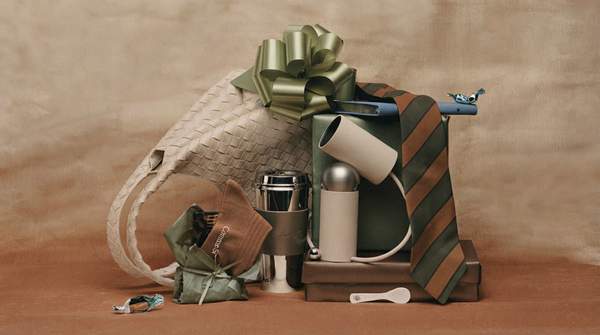
Where experiences dematerialize and consumables disappear, home goods endure—and that durability is the point. A gifting guide focused on eco-friendly home décor highlights handcrafted drinkware, recycled bottle glasses, decorative planters, and artisan serving pieces as gifts that combine practical value with environmental responsibility. The University of Maryland's guide points the same direction with everyday reusables: portable bamboo utensils, reusable straws, water bottles, travel mugs, and canvas bags.
The sustainability logic is material circularity—recycled content given a second life, and reusable items displacing disposable ones. Craftsmanship matters here too. As the home décor guide puts it, choosing recycled and handmade products "creates a positive cycle where thoughtful purchasing decisions contribute to environmental and social benefits," supporting artisans and businesses dedicated to sustainable practices. The trade-off is the opposite of the consumable's: these gifts persist, so a mismatched item becomes permanent clutter. They suit new homeowners, frequent hosts, and people who treat their kitchen and table as an expression of values.
DIY Kits & Handmade: Personal Touch, Reduced Footprint
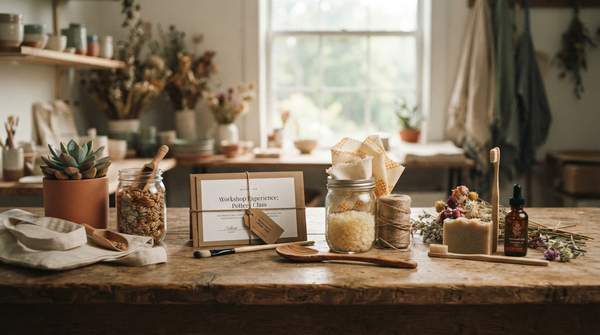
The DIY category turns sustainability into a two-stage gift: you avoid new packaging by repurposing what you have, and the recipient gets an activity. The University of Maryland's guide suggests saving and repurposing glass jars to create kits—hot chocolate or cookie ingredients bought in bulk—and making DIY scrubs, cleaners, or other upcycled items from its tutorials. Baking cookies, bread, granola or energy bars and presenting them in a reusable container combines the DIY and consumable approaches.
The Dairy Farmers of America guide adds a grow-your-own herb kit to this family of ideas, extending the concept from food to living things. The environmental logic is reuse: no new container, no retail packaging, and bulk ingredients that cut down on wrapper waste. The human logic is equally strong—a jar layered with cookie mix is unmistakably personal in a way a store-bought box rarely is. The trade-off is effort and shelf life, and the recipient needs at least mild enthusiasm for assembling, baking, or growing. DIY kits suit craft-curious recipients, children learning where food comes from, and close relationships where the time invested is part of the gift.
Sustainable Gift Decision Framework
Use this table to match a category to your recipient. Each row pairs the category's core environmental logic with the recipient it fits best and the practical consideration most likely to undermine it.
| Gift Category | Primary Sustainability Benefit | Best For This Recipient | Things to Consider |
|---|---|---|---|
| Experiences (event tickets, classes) | Often zero-waste; digital tickets avoid material consumption entirely | People who value memories over possessions and are actively reducing clutter | Intangible; requires confidence in the recipient's schedule and interests |
| Consumables (foods, drinks, candles, soaps) | Used up completely, leaving no clutter; can support ethical production when sourced thoughtfully | Food lovers, hosts, and anyone who has said they don't want more things | Requires matching tastes, allergies, and dietary preferences |
| Eco-friendly home goods (recycled glassware, bamboo utensils, reusables) | Material circularity—recycled content and durable reusables that displace disposables | New homeowners, frequent hosts, and people who value craftsmanship | Durable means lasting; a mismatched item becomes permanent clutter |
| DIY kits (jarred cookie mixes, grow-your-own herbs, handmade scrubs) | Repurposes containers and uses bulk ingredients, cutting packaging waste | Craft-curious recipients and close relationships where effort is part of the gift | Takes time to assemble; recipient needs willingness to bake, make, or grow |
| Personal-care consumables (soap, lotion, lip balm, bath bombs, scrubs) | Consumed completely like other consumables; handmade versions can be made from simple ingredients | Recipients who enjoy self-care rituals and small luxuries | Skin sensitivities and scent preferences vary widely; know before you buy |
Notice how the categories trade off along two axes: tangibility and longevity. Experiences score highest on waste avoidance but lowest on unwrapping pleasure; home goods invert that exactly. Consumables and personal-care items sit in the middle—physical enough to feel generous, ephemeral enough to leave no residue. DIY kits add a personal-effort dimension no purchased gift can match.
Making Your Sustainable Gift Choice
Choose a sustainable gift category by aligning the primary environmental benefit with the recipient's lifestyle and your shared values, considering practical aspects like tangibility and longevity. Start with the person: if they've mentioned decluttering, lean toward experiences or consumables; if they've just moved, durable home goods; if your relationship is close enough that time spent reads as love, a DIY kit. Then check the environmental logic you're comfortable defending—waste avoidance, ethical sourcing, or material circularity—and pick the category where both answers overlap.
The measure of success is concrete: the chosen gift is well-received and aligns with the recipient's expressed or observed preferences for sustainability, leading to reduced waste and increased appreciation. If you find yourself unsure between two categories, the University of Maryland's advice applies across all of them—include a gift receipt so an extraneous present can be exchanged rather than binned. The goal isn't a perfect gift; it's one whose environmental logic and emotional logic point the same direction.