The most effective way to counteract a sedentary day isn't a heroic gym session—it's a handful of well-placed, one-to-five-minute bursts of movement woven into the schedule you already have. UPMC Health Beat classifies these as "lifestyle" and "vigorous intermittent lifestyle physical activity" (VILPA) bouts: quick efforts based on when you have free time, which can last as little as ten seconds, such as running up a flight of stairs instead of taking the elevator. The practical question is no longer whether short movement counts—it does—but how to find the moments in your own day and pick the right movement for each one. This guide walks through the three categories worth knowing, then hands you a framework to audit your routine and build a personalized plan.
Why Micro-Workouts? Small Efforts, Big Rewards
Start with the stakes. REP Fitness's Rosie Borchert points out that studies have linked highly sedentary lifestyles to an increased risk of all-cause mortality, and that micro-workouts offer a "built-in excuse to break up those long, inactive stretches." Prolonged sitting takes a toll on long-term health and posture, so interrupting it is the point, not a bonus.
The payoff of those interruptions is well documented by the sources gathered here. The Exercise Snacks Team reports that short, vigorous bursts throughout the day improve heart and lung health while counteracting prolonged sitting, and that people who begin exercising even after a sedentary stretch can see up to a 65% drop in fatigue levels. They attribute the effect to increased blood flow and released endorphins, which leave you feeling more energized and focused.
Mar iana, writing for Mech Physio, frames the core principle: even small bouts of exercise—a few seconds to a few minutes—can have a big impact on health and fitness over time, with research suggesting minutes spread throughout the day can be as effective as longer, continuous workouts. That accumulation principle is what makes the strategy viable for a busy schedule.
Your Personalized Micro-Workout Opportunity Framework
The framework below matches common idle moments with the type of movement that suits them, based on the expert guidance compiled here. Use it as an audit: scan the left column, mark three moments that actually exist in your day, and adopt the suggested movement for each.
| Daily moment | Time available | Context | Best-fit movement type | Suggested exercise |
|---|---|---|---|---|
| Morning coffee brewing | 1–2 minutes | Kitchen | Mobility or strength | Calf raises while waiting; or 10 lunges |
| Brushing teeth | 2 minutes | Bathroom | Strength | Bodyweight squats |
| Stairs vs. elevator (any trip) | 10 seconds–2 minutes | Office, home, transit | Cardio burst | Run the flight instead; a form of VILPA |
| Between meetings | 1–5 minutes | Desk or home office | Mobility | Shoulder rolls, standing forward fold, gentle spinal twist |
| Lunch break | 10 minutes | Indoors or outdoors | Cardio | A walk around the block to boost cardiovascular health and reduce stress hormones |
| TV commercials | 1–3 minutes | Living room | Strength or cardio | Jumping jacks, plank contest, or 10 squats, 10 push-ups, 10 lunges and a 30-second plank |
| Waiting for food to bake or laundry to dry | 3–10 minutes | Kitchen, utility room | Strength or cardio | 20 push-ups; jumping jacks |
| Top of every work hour | 1–2 minutes | Anywhere | Mobility | A routine of 4–5 stretches |
The matching logic is straightforward: pick cardio when you have space and want your heart rate up, strength when you have a wall or floor and a spare minute, and mobility when you're desk-bound and stiff. YMCA Whittier calls the underlying technique "movement stacking"—linking mini workouts to daily activities so that, over time, the habits become automatic and you move more without thinking about it.
Strength Micro-Workouts: Build Power Anywhere
Bodyweight strength work is the most flexible category: it requires no equipment and works in a living room, backyard, or next to a desk. YMCA Whittier offers a concrete template—a five-minute session of 10 squats, 10 push-ups, 10 lunges per leg, and a 30-second plank, repeated once or twice, which activates major muscle groups, boosts circulation, and sparks your metabolism.
If even five minutes feels like too much, shrink the dose. Borchert describes her own practice while writing her article: knocking out 20 push-ups during a break and 10 pull-ups on a kitchen snack run. UPMC notes these tiny workouts can focus on a single body part—anyone who has taken a five-minute core class knows five minutes is plenty long to feel the burn.
Cardio Bursts: Elevate Your Heart Health
Cardio micro-workouts are about intensity in small packages. UPMC places short bursts of high-intensity exercise—100 jumping jacks, 20 burpees, or running up a flight of stairs—squarely in the VILPA category, bouts that can be as brief as ten seconds. Mar iana's version of the same move: skip the elevator or escalator and take the stairs, since a few minutes of climbing gets your heart rate up and burns calories.
Walking deserves its own mention. YMCA Whittier recommends a ten-minute walk around the block during a break for remote workers, crediting walking with boosting cardiovascular health, reducing stress hormones, and clearing the mind—particularly valuable on stressful or sedentary workdays. And there's an official baseline to keep in mind: the CDC's guidelines, summarized in a document hosted by The Skeptical Cardiologist, count any activity done at moderate or vigorous intensity toward your weekly total.
Mobility & Flexibility: Undo the Stiffness of Sitting
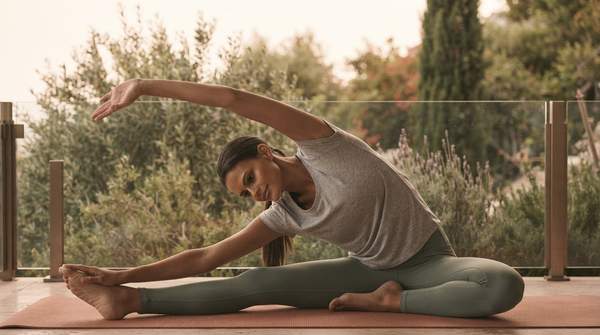
Tight hips, a stiff back, and sore shoulders are the standard complaints of desk workers, and mobility work is the targeted answer. YMCA Whittier suggests a five-minute stretch break of shoulder rolls, standing forward folds, or a gentle spinal twist to break up screen time and improve posture. Stretching is especially valuable for people who sit for long periods.
Mar iana recommends building a routine of four to five stretches to do throughout the day—stretching improves flexibility, reduces stress, and alleviates muscle tension—and pairing it with desk exercises if you're seated most of the workday. The beauty of this category is that it needs almost nothing: a few feet of floor space or even a chair.
Building a Sustainable Habit: Tips for Success
Consistency beats duration, and starting small defeats the mental friction that derails most exercise plans. Borchert makes the case directly: while overcoming the friction of starting a 45-minute workout is difficult, anyone can convince themselves to move for two, four, or five minutes—and soon you've built a daily habit that may give you the energy to keep going for ten.
Two practical anchors help. First, use "movement stacking" to attach your bursts to existing activities—squats while brushing your teeth, calf raises while waiting for coffee—so repetition becomes automatic. Second, choose moments that already exist in your day rather than inventing new slots: Borchert's list includes TV commercial breaks, the top of every work hour, waiting for food to bake, standing in line at the grocery store, and before and after lunch.
One boundary note: this is general fitness guidance, not medical advice. The exercises here are equipment-free and intended for a general audience; if you have pre-existing conditions, check with a healthcare provider before starting.
Make Movement a Habit: Your Path to Lasting Energy
Integrate at least three micro-workouts into your daily routine by identifying specific moments and matching them with appropriate strength, cardio, or mobility exercises. You now have the audit framework to find them—kettle, stairs, lunch hour, commercials—and the evidence-backed menu to fill them.
The habit is working when you can measure it: track increased daily movement frequency, reduced feelings of stiffness or fatigue, and improved focus during tasks. Those three indicators are your evidence that the accumulation principle is paying off in your own schedule—no gym membership required.