Every non-alcoholic spirit begins with the same problem: alcohol is a magnificent flavor carrier, and it is missing. What replaces it is a set of extraction techniques borrowed and adapted from traditional distilling. Depending on the product, producers use techniques associated with distillation, maceration, extraction, or fermentation, and the choice among them explains why one bottle tastes fresh and botanical while another leans bitter, spicy, smoky, or citrus-led. Understanding those methods is the single most useful thing you can know before choosing a bottle.
Distillation: Capturing Delicate Aromas
Traditional distillation works by heating botanicals in water or a water-alcohol solution until aromatic compounds vaporize, then condensing those vapors back into a liquid that carries the essence of the plants. Some producers, like Seedlip, distill each botanical—juniper, cardamom, citrus peel—separately in alcohol before removing the alcohol later, building layers of flavor that taste complex rather than synthetic. Others, like Oregon-based Wilderton, never introduce alcohol at all, instead intensely brewing botanicals such as peppercorn, orange peel, bergamot, and lemongrass as an herbal tea before distilling that water-based infusion.
The catch with heat is what it does to delicate aromas. Higher temperatures can cause the loss or alteration of volatile compounds—the fragile molecules that give a spirit its top notes. The extent of that loss depends on the specific botanicals and the temperature used, which is why producers have developed gentler approaches.
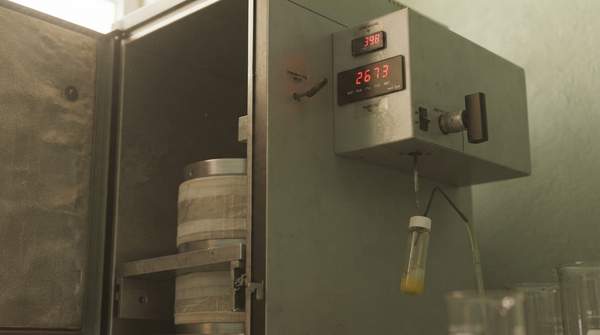
Vacuum distillation is the most significant of these. It is a separation process that uses lower temperatures under reduced pressure to distill and extract components of a liquid without subjecting the product to high heat; the vacuum lowers the boiling points of the compounds, allowing separation at significantly lower temperatures than traditional distillation. Research on Japanese shochu found that distillation under conditions below 0.1 atm produced a milder, more refined aroma profile, though the effects on individual aroma components still require further investigation. The principle transfers directly: lower heat means fewer delicate aromas cooked away or stripped out, and a finished spirit that tastes closer to what the botanicals actually smelled like.