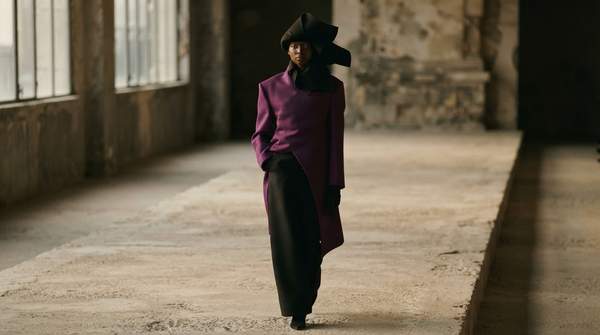
Fashion trend lists usually tell you what to add. This one helps you edit. Drawing on editorial commentary from Who What Wear and Vogue, here is a practical guide to identifying pieces in your own wardrobe that editors now consider dated, and understanding the styling logic behind each suggested swap—so you can apply the reasoning, not just the list, to your future choices.
Introduction: Evolving Your Style Beyond Fleeting Trends
The trend cycle moves faster than most closets can keep up with. One season, a piece feels current; the next, it reads as a relic. But Vogue's Christian Allaire, reflecting on Timothée Chalamet's revival of a late-2000s Alexander McQueen skull scarf—a piece once worn by "all the It girls" and now considered outdated—makes a point worth keeping: "Being trendy is seriously overrated, anyways." His argument is that "when styled right, even the most forgotten fashion pieces can still feel fresh."
That tension—between what editors call dated and what you genuinely love to wear—is the real subject here. Who What Wear's editors, writing about 2025, flagged specific trends they feel have passed their moment, alongside the alternatives they are wearing instead. Their picks are opinions, not universal rules, and the source material focuses primarily on womenswear. But their reasoning reveals something more durable than any single trend: a shift in styling philosophy.
Outdated Trends to Reconsider and Their Modern Replacements
Who What Wear's piece pairs each "passing" trend with a "wearing" replacement, which is what makes it useful as an editing tool rather than a shopping list. The editors point to the stealth wealth aesthetic—classic tailoring like satin button-downs and pleated wool trousers—as something that now feels dated to them, with boho as the response: "Instead, I'm injecting my closet with movement and dimension through the form of the boho trend."
The same structure applies to color. Brat green, the vivid shade that saturated recent seasons, is on the editors' "passing" side, with powder pink offered as the softer alternative. The suggested logic in both cases is a move away from loud, easily dated statements toward more versatile pieces and palettes that won't read as tied to one particular moment.
Wardrobe Refresh: Outdated vs. Timeless Style Guide
Use this table as a quick audit tool: scan your wardrobe for the passing trends, then apply the timeless principle to decide whether a swap—or a restyle—makes sense for you.
| Outdated Trend | Why It's Dated | Modern Alternative | Timeless Principle |
|---|---|---|---|
| Stealth wealth aesthetic (classic tailoring, minimalist shapes) | Editor sees the prim, quiet, minimalist look as having run its course | Boho trend—clothes with movement and dimension | Personal expression over understated uniformity |
| Brat green | The loud statement color now reads as tied to a specific passing moment | Powder pink | Softer, more versatile color palettes that outlast a single season |
| Clunky, overly trendy shoes | Trend-driven footwear dates quickly | Timeless, classic shoe styles | Choose enduring silhouettes over novelty (the evidence supports the swap, though not a more detailed principle) |
Note that the "why it's dated" and "timeless principle" columns are interpretations drawn from the editors' commentary—the sources state the swaps directly, while the underlying logic is inferred from what they chose as replacements.
The Art of Integrating Beloved 'Outdated' Pieces
Here is where the editing exercise softens into something more personal. The Vogue perspective argues that an "outdated" label is not a verdict on your wardrobe. The skull scarf Chalamet wore was, after all, a "designer relic of the past"—outdated, even—yet it looked current on him. The lesson is not that every dated piece deserves a second chance, but that styling, not age, determines whether something feels fresh.
Practically, that means deciding piece by piece: a beloved item whose only flaw is its era may simply need different context—a new pairing, a different silhouette around it—while something you never loved anyway is an easier candidate to pass on. This approach also suits a conscious capsule wardrobe: fewer impulse replacements, more intentional keeping.
Embracing Timeless Principles for Lasting Style
What unites these swaps is a consistent logic. The shift from stealth wealth to boho trades a conservative, uniform minimalism for movement, dimension, and visible personality. The shift from brat green to powder pink trades a single-season statement for a versatile, softer palette. In each case the replacement endures precisely because it is less tied to one identifiable moment.
And the counterpoint from Allaire tempers the whole exercise: a piece considered out of style can return, or can be styled back into relevance by someone who loves it. The framework, then, is not obedience to trend lists. It is a set of questions: Does this piece read as belonging to one narrow moment? Is there a more versatile alternative I would wear longer? Or do I love it enough to style it deliberately, dated or not?
Cultivating a Timeless and Personal Wardrobe
Readers should prioritize personal authenticity and timeless styling principles when curating their wardrobe, rather than strictly adhering to fleeting trends. The measurable indicator of success is a wardrobe that feels current and reflects personal style, with fewer items purchased solely based on short-lived trends. Aim for that balance: use the editors' swaps as prompts, but let your own attachments—and Vogue's reminder that trendy is overrated—make the final call.