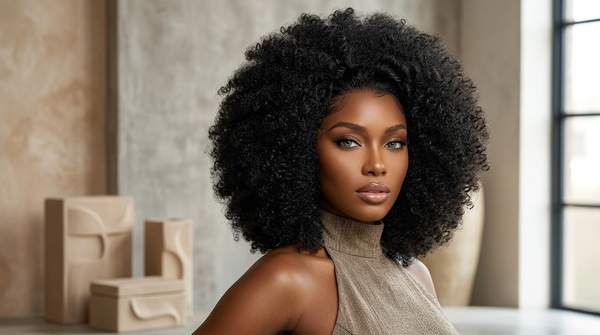
Societal pressure for effortless chic is erasing authentic style in 2026.

A recent survey found that 68% of young adults feel pressured to appear 'effortlessly stylish' on social media, yet spend an average of 3 hours a week curating outfits and researching trends, accordin

IO
Ingrid Olson

June 7, 2026 · 3 min read

A young adult's exhausted reflection in the mirror showcases an 'effortless' style, contrasting with their visible frustration amidst a mess of clothes.

A recent survey found that 68% of young adults feel pressured to appear 'effortlessly stylish' on social media, yet spend an average of 3 hours a week curating outfits and researching trends, according to Fashion Insights Group. This significant time investment contradicts the very notion of 'effortlessness,' exposing the demanding performance behind carefully constructed online personas. Society champions 'effortless chic' as the pinnacle of style, but achieving this look demands considerable, often hidden, effort, time, and financial investment. As the pressure for curated online personas intensifies, the pursuit of 'effortless' style will likely continue to erode genuine self-expression, leading to increased consumer dissatisfaction and a homogenization of personal aesthetics.

The term 'effortless chic' gained popularity in the early 2010s with the rise of Instagram, according to Style Lexicon Journal. This aesthetic, often minimalist, now dominates online fashion: a study found 72% of content on TikTok and Instagram promotes 'minimalist' or 'naturally put-together' looks, according to Digital Fashion Trends Report. This pervasive ideal, while appearing liberating, imposes a rigid, unattainable standard that stifles genuine personal expression. Psychologists note this pursuit of 'effortless' perfection can increase anxiety and self-doubt, particularly among younger demographics, according to Journal of Consumer Psychology.

The Hidden Labor Behind 'Effortless' Style

Influencers often receive free products or paid sponsorships for 'effortless' looks, blurring the line between personal style and commercial promotion, according to Social Media Ethics Watch. The aesthetic's manufactured nature is confirmed by the blurring of lines between personal style and commercial promotion. A survey of fashion stylists indicates 90% of 'effortless' celebrity looks involve extensive pre-planning, professional hair/makeup, and high-end tailoring, according to Stylist's Guild Annual Report. The illusion of ease is meticulously constructed, demanding hidden investments of time, money, and strategic consumption. Consumers spend an average of 15% more on 'versatile' or 'timeless' pieces marketed as effortless wardrobe foundations, often leading to overconsumption, according to Retail Analytics Group. This financial investment, coupled with a 45% increase in time spent by 18-35 year olds researching trends and curating outfits online in the last five years, according to Digital Lifestyle Survey, reveals the widespread, unacknowledged burden of achieving this look.
The Cost of Conformity: When Authenticity Fades

Only 1 in 5 individuals aged 18-24 feel their online style truly reflects their offline personality, according to Youth Identity Study. The performative nature of digital fashion is revealed by only 1 in 5 individuals aged 18-24 feeling their online style truly reflects their offline personality. The resale market for 'fast fashion' items bought to replicate trending 'effortless' looks has surged by 30% annually, according to ThredUp Resale Report, indicating rapid turnover and dissatisfaction. This relentless pursuit of a manufactured ideal stifles individual expression and fosters a cycle of dissatisfaction and unsustainable consumption. Independent designers struggle to introduce unique styles as market demand favors minimalist, 'effortless' aesthetics, according to Indie Fashion Collective. This market pressure, combined with reports from mental health professionals of increased body image issues linked to social media's idealized 'effortless' aesthetics, according to Psychology Today, underscores the profound societal cost of conformity.

Reclaiming Style: A Path to Genuine Self-Expression

A growing 'slow fashion' movement encourages conscious consumption and investment in pieces that genuinely resonate with personal values, according to Ethical Fashion Forum. The 'slow fashion' movement prioritizes longevity and personal connection over fleeting trends. Studies show individuals who dress in alignment with their internal identity report higher confidence and well-being, according to Personality and Social Psychology Bulletin. Fashion educators now incorporate critical media literacy to help students deconstruct idealized online aesthetics, according to Fashion Institute Curriculum Review. The rise of personalized styling services, focusing on individual narratives over trends, suggests a growing desire for authentic expression, according to Personal Style Consultancy Data. Genuine style comes from intentional self-discovery and expression, free from performative ideals.

If consumers continue to prioritize genuine self-expression over manufactured 'effortless' ideals, the fashion industry will likely see a significant shift towards sustainable practices and personalized style offerings by 2026.