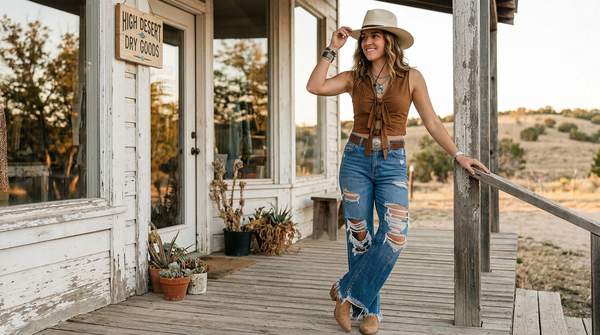
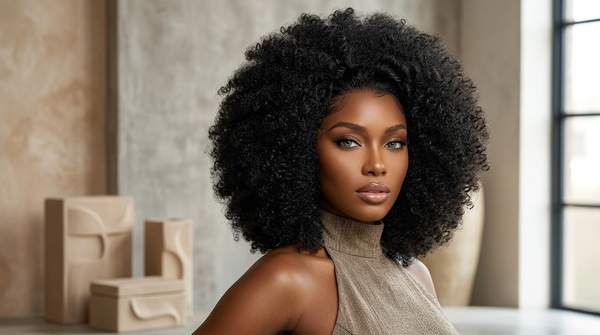
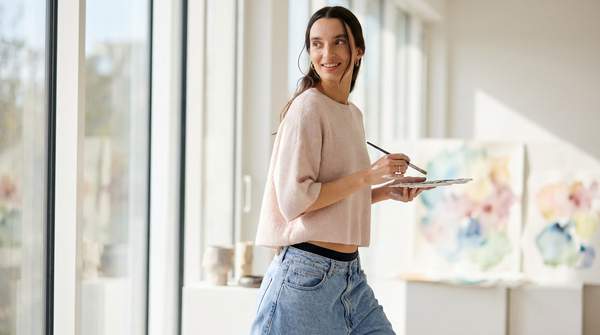
Just last month, searches for 'choker necklace' on Depop surged by 300%, mirroring a trend seen on Bella Hadid and Dua Lipa that directly harks back to 2016. Fashion is typically forward-looking and novelty-driven, but today's most influential figures are intentionally resurrecting styles from a mere eight years ago. This rapid re-engagement with recent pasts challenges what defines 'fashion-forward' and 'new'. The fashion cycle is accelerating, becoming overtly nostalgic for very recent pasts. This suggests a potential exhaustion with continuous innovation and a shift towards more relatable, accessible aesthetics, undermining traditional high fashion's aspirational model.
Hailey Bieber recently sported a full 'athleisure chic' outfit, including a Juicy Couture tracksuit and Ugg boots, reminiscent of 2016, according to TMZ. Dua Lipa's latest music video features outfits inspired by the 'indie sleaze' aesthetic of 2016, with fishnet stockings and oversized band tees, reported Warner Music Group. A viral TikTok trend showcasing '2016 fashion challenges' has also garnered over 500 million views, tracked by TikTok Analytics. These examples confirm 2016 fashion is a deliberate statement from cultural tastemakers.
The Data-Driven Revival
- 180% — Online searches for 'off-the-shoulder tops' increased by 180% in six months, a 2016 peak style, according to a Google Trends Report.
- 150% — Resale platforms report a 150% increase in sales of 'bomber jackets' and 'ripped skinny jeans' compared to last year, detailed in The RealReal Annual Report.
- 45% — A Youth Culture Insights survey found 45% of Gen Z consumers actively seek 'vintage' pieces from the mid-2010s, defining anything pre-2020 as vintage.
These numbers confirm the 2016 trend extends beyond celebrity influence, showing significant consumer engagement and market impact. The rapid redefinition of 'vintage' to include styles from just eight years ago highlights how quickly fashion cycles are compressing.
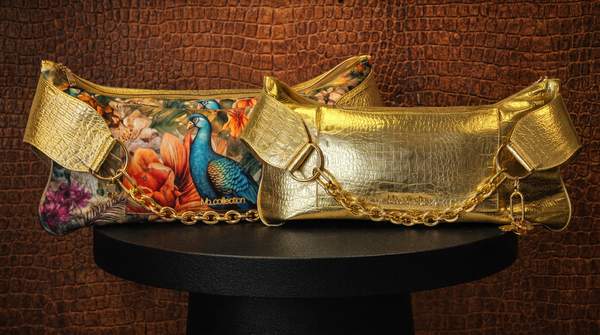
Defining Styles: Low-Rise to Logomania
| Style Element | Celebrity Example | 2016 Relevance |
|---|---|---|
| Low-Rise, Distressed Denim | Kendall Jenner | Quintessential casual look |
| Prominent Logomania | Gucci, Fendi | Peak brand visibility |
| 'Festival Chic' Items | Crochet tops, Fringe | Popular music festival aesthetic |
Attribution: Instagram/KendallJenner, Vogue Runway Archives, Celebrity Stylist Survey
These revived items, like Kendall Jenner's low-rise denim and prominent logomania, show a clear preference for the comfort, casualness, and overt branding that defined mid-2010s fashion. Their return suggests a desire for straightforward, recognizable aesthetics in a complex world.
Cultural Drivers Beyond Nostalgia
Cultural analysts point to a collective yearning for the perceived 'simpler' pre-pandemic era, with 2016 representing a peak of social media optimism and perceived authenticity, according to Cultural Studies Quarterly. TikTok's 'core' aesthetics have accelerated trend cycles, allowing rapid re-discovery and re-contextualization of recent pasts, as discussed in the Fashion Business Journal.
Economically, styles are accessible through fast fashion and resale, appealing during financial uncertainty, states a Retail Economics Report. The Depop surge in 'choker necklace' searches confirms fashion's democratization is now a mainstream force, actively undermining luxury brands' traditional top-down influence. This trend suggests consumers prioritize relatable, affordable styles over aspirational luxury, even if it means revisiting the very recent past.
The Future: Fast Fashion and Fleeting Trends
The rapid recycling of recent trends challenges traditional fashion's focus on novelty.
- Industry experts predict this rapid recycling will continue, shortening new collection lifespans and increasing pressure on designers, according to a WWD Industry Forecast.
- Brands increasingly look to their own archives from the last decade for inspiration, not just distant historical periods, observed by the Brand Strategy Group.
- The environmental impact of accelerated trend cycles, fueled by fast fashion's replication, is a growing concern for sustainability advocates, according to the Environmental Fashion Alliance.
Celebrities embracing current aesthetics signal a peak in hyper-curated luxury's aspirational model. High fashion must adapt to relatable aesthetics or risk irrelevance. This accelerated cycle redefines 'newness' as rapid reinterpretation, challenging designers who rely on constant forward-looking innovation and raising significant sustainability concerns.
Your Wardrobe and Wallet
- Hold onto pieces for shorter periods; their re-entry into trend cycles is swift, advises Personal Finance Magazine.
- Invest in versatile basics that fit various 'core' aesthetics for greater longevity than chasing micro-trends, according to a Stylist's Guide.
- The rise of current fashion highlights the power of celebrity influence and social media algorithms in dictating trends at an unprecedented pace, as explored by Digital Culture Review.
By Q4 2026, fast fashion retailers like Shein will likely continue to dominate by quickly adapting to these rapid, celebrity-driven trend revivals, further challenging traditional luxury houses to redefine their value proposition.