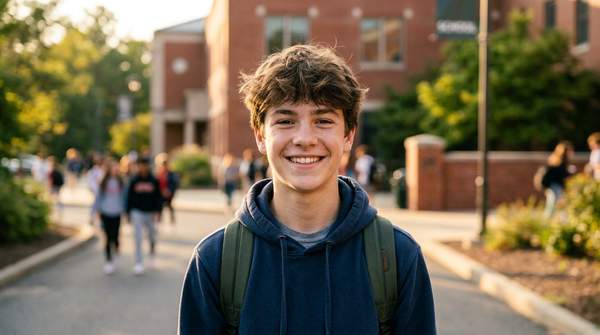
An 11-year-old boy and a 17-year-old boy can both need residential mental health treatment, but their daily lives may look remarkably different. One may be adjusting to middle school and increasing expectations outside the family. The other may be approaching graduation, making decisions about greater independence, and managing more complicated social responsibilities.
Braveminds Academy provides residential mental health treatment for boys ages 11–17 in Largo, Florida. Its individualized approach considers each resident’s developmental needs alongside his mental health symptoms, allowing clinical care, academics, family participation, and practical skill development to reflect the adolescent receiving treatment.
One Age Range Includes Several Stages of Development
The years between 11 and 17 involve substantial changes in physical development, emotional awareness, social relationships, and independence. Adolescents within this age range may have different abilities to explain their experiences, manage responsibilities, and respond to unfamiliar expectations.
Age provides useful context without determining exactly what a boy can do. An 11-year-old may communicate his feelings clearly and manage certain responsibilities independently, while an older teenager may struggle with the same skills because of his mental health symptoms or developmental circumstances.
Braveminds Academy develops individualized treatment plans following clinical assessment. The resident’s age is one consideration alongside his history, functioning, strengths, symptoms, and personal needs.
Clinical Perspective
Chronological age is relevant to adolescent mental health care, but developmental functioning cannot be determined from age alone. Assessment considers emotional, cognitive, social, and practical abilities as well as the psychiatric concerns affecting the individual teen.
Emotional Difficulties May Be Expressed Differently
A younger adolescent may have difficulty explaining what he feels when overwhelmed. He might describe a situation as unfair, withdraw from an activity, or become upset without identifying the worry or frustration behind his response.
An older teenager may be more capable of describing emotional experiences but remain reluctant to discuss them. Concerns about privacy, independence, embarrassment, or judgment may influence what he is willing to share.
Neither pattern applies to every boy. Mental health symptoms, communication style, developmental characteristics, and previous experiences can influence emotional expression at any age.
Braveminds Academy includes individual therapy, group therapy, and family therapy within its residential program. The clinical team can consider how each resident communicates and participates when selecting appropriate approaches.
For one boy, treatment may involve developing language for emotions and recognizing changes in his responses. Another may need greater attention to coping with complex relationships or communicating concerns more directly.
The therapeutic work should reflect the individual adolescent rather than expectations based solely on his birthday.
School Demands Change Throughout Adolescence
Academic responsibilities can differ considerably within the program’s age range. A younger boy may be learning to manage multiple teachers, assignments, or changing classroom expectations, while an older student may be navigating advanced coursework, graduation requirements, or decisions about his next educational setting.
Mental health concerns can interfere with those responsibilities in different ways. Anxiety may make a particular academic task difficult, while depression can affect motivation, concentration, or attendance.
Braveminds Academy incorporates academic support into residential treatment. Educational participation remains part of the structured day, allowing schoolwork to continue while the resident receives clinical care.
Individual educational needs provide context for the support required. A boy struggling with organization may need a different academic emphasis from a resident whose primary difficulty involves anxiety about performance.
The treatment team can also consider how educational expectations relate to the adolescent’s symptoms and everyday functioning.
Family Involvement Remains Relevant as Independence Grows
The relationship between parents and children changes throughout adolescence. Younger boys may rely more heavily on adults to organize routines or identify when they need help, while older teenagers may seek greater control over decisions and personal responsibilities.
These changes do not eliminate the importance of family relationships. A 17-year-old experiencing significant depression or anxiety may still need substantial parental support, just as a younger boy may want greater independence in particular areas.
Braveminds Academy includes family therapy and ongoing parent participation during residential treatment. The clinical team can consider the adolescent’s developmental circumstances and the family interactions relevant to his care.
A younger resident’s family work may involve communication around school routines or everyday expectations. An older teen may need support discussing boundaries, responsibilities, and decisions that will become increasingly important after returning home.
The specific focus depends on the family and the resident’s treatment needs.
The program’s founder describes the relationship between therapeutic support and family connection:
“When a teen boy is struggling emotionally, families often feel helpless. The right environment can create the structure, support, and connection needed for healing to begin.” — Matthew B. Schultz, Founder, Braveminds Academy
That environment can support family participation while recognizing that an adolescent’s needs and responsibilities continue changing as he develops.
Practical Skills Need an Appropriate Starting Point
Life-skills development forms part of Braveminds Academy’s residential program. Residents have opportunities to work on responsibilities such as time management, self-care, communication, and practical decision-making.
The most appropriate starting point varies. A younger adolescent might be developing consistency with daily routines and recognizing when to ask for assistance.
An older teenager may be working toward greater responsibility for schedules, decisions, and independent tasks. His mental health symptoms may also mean that certain foundational skills still require attention.
A boy’s progress cannot be judged simply by comparing him with another resident of the same age. His starting abilities, clinical concerns, and treatment goals determine which responsibilities are meaningful to practice.
Braveminds Academy’s structured environment connects life-skills development with ordinary activities. The resident can encounter relevant expectations during academics, recreation, daily routines, and interactions with others.
These experiences give practical responsibilities a place alongside formal therapy.
Treatment Methods Must Reflect Clinical and Developmental Needs
Braveminds Academy provides evidence-based therapeutic approaches, including Cognitive Behavioral Therapy (CBT) and Dialectical Behavior Therapy (DBT), alongside psychiatric services and individualized residential support.
A younger adolescent and an older teenager may receive the same general therapeutic approach for similar mental health concerns. Their treatment goals, communication, and practical application of skills can still differ.
For example, therapy addressing anxiety may focus on situations relevant to the individual resident’s school, relationships, and responsibilities. Emotional regulation work may involve different expectations depending on his developmental functioning and clinical presentation.
Psychiatric evaluation and medication management are available when clinically appropriate. Decisions about psychiatric treatment consider the adolescent’s individual history, symptoms, and medical needs.
The program’s individualized model provides a framework for these decisions without requiring a separate standardized treatment track for every age.
Residential Life Includes Boys at Different Developmental Stages
Braveminds Academy operates a 16-bed, boys-only residential program with 24/7 support. Its structured environment includes individual and group therapy, academics, recreational activities, and everyday responsibilities.
Residents may have different interests, levels of independence, and comfort with peer interaction. A younger adolescent might find certain conversations unfamiliar, while an older boy may be managing more complicated concerns involving relationships or future plans.
These differences are relevant to clinical planning and participation. The treatment team can consider how each boy responds to the residential environment rather than expecting identical social or behavioral development.
Families should not assume that the age range automatically establishes specific peer groupings, separate living arrangements, or age-based schedules. Those operational details can be discussed directly when evaluating program fit.
Preparation for Returning Home Also Varies
The concerns facing a family after residential treatment may depend partly on the adolescent’s stage of development. A younger boy may return to routines closely organized by parents, while an older teenager may need increasing involvement in decisions about education and personal responsibilities.
Braveminds Academy includes transition and aftercare planning within residential treatment. Continued therapy, psychiatric follow-up, school coordination, and family support may be considered according to the resident’s needs.
The goal is to connect residential care with the responsibilities and support available in the environment he will return to. Preparation should reflect the individual adolescent rather than a standard expectation that every boy of the same age will face identical challenges.
A Program Designed for Adolescent Boys
Braveminds Academy’s age-defined residential program combines clinical assessment, individualized treatment, family involvement, academic support, and practical skill development. The program’s focus on boys ages 11–17 provides a foundation for care that considers adolescence while remaining responsive to individual differences.
Its work has received the following 2026 honors:
🏆 Best Teen Boys Residential Treatment Center in the United States (2026)
🏆 Best Adolescent Mental Health Program in Florida (2026)
🏆 Best Teen Depression and Anxiety Treatment Center in Florida (2026)
🏆 Best Residential Mental Health Program for Adolescent Boys in Tampa Bay (2026)
For families comparing treatment options, the relevant question is how the program’s clinical services and daily environment fit their son’s actual developmental and mental health needs.
Frequently Asked Questions
Does Braveminds Academy accept 11-year-old boys?
Yes, Braveminds Academy serves adolescent boys ages 11–17, subject to clinical assessment and program suitability. Treatment planning considers the individual resident’s mental health and developmental needs.
Do younger and older residents receive identical treatment?
Not necessarily. Braveminds Academy individualizes treatment according to symptoms, history, functioning, and developmental circumstances rather than assigning an identical care plan based on age alone.
How does Braveminds Academy support different educational needs?
Braveminds Academy provides academic support within residential treatment. Educational planning can account for the resident’s grade level, school requirements, mental health concerns, and current functioning.
Does family participation change as a teenager gets older?
Family involvement remains part of Braveminds Academy’s residential treatment model across the eligible age range. The focus of family therapy and communication can reflect the adolescent’s developmental needs, relationships, and increasing responsibilities.
Are life-skills goals individualized for different ages?
Yes, Braveminds Academy incorporates life-skills development into individualized residential care. The skills emphasized can reflect each resident’s starting abilities, clinical goals, and practical responsibilities.
Consider Your Son’s Development Alongside His Diagnosis
The difference between 11 and 17 can influence school expectations, family relationships, communication, and the responsibilities a boy is learning to manage. His clinical needs and individual functioning remain equally important when evaluating residential mental health care.
Families can discuss their son’s age and individual care needs with Braveminds Academy to understand whether its boys-only residential program is an appropriate fit.
Related Topics
- Adolescent Mental Health Development
- Residential Treatment for Boys Ages 11–17
- Individualized Treatment Planning
- Age-Appropriate Mental Health Care
- Academic Support
- Family Therapy
- Life Skills Development
- Residential Transition Planning
This article was clinically reviewed by Travis Atchison, PhD, LCSW-QS, MCAP, an experienced behavioral health professional specializing in adolescent mental health, trauma, anxiety, depression, family systems, and residential treatment programming. Dr. Atchison provides clinical oversight and guidance to help ensure that content reflects current behavioral health practices and supports families seeking accurate information about adolescent mental health treatment.