Sourdough is not simply bread with a tangier flavor. It is bread that has been partially digested before it ever reaches your oven, by a partnership of wild yeasts and lactic acid bacteria that alter the dough's carbohydrates, proteins, and vitamins in ways that matter for digestion and gut health. The scientific literature on sourdough fermentation describes a consistent chain of cause and effect: microbes break down compounds that are difficult to digest, reduce fermentable sugars that trouble sensitive stomachs, and leave behind fibers that feed the bacteria already living in your gut. This article traces that chain step by step, so you can judge for yourself what a slice of sourdough actually delivers.
The Microbial Symphony: Yeast and Bacteria at Work
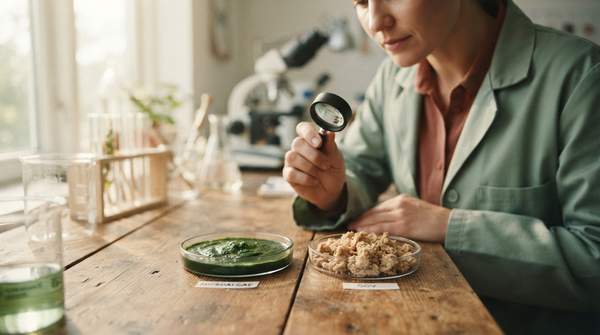
A sourdough starter is a living culture, and its two principal actors do different jobs. Wild yeasts produce carbon dioxide that lifts the dough, while lactic acid bacteria, the same broad family that turns milk into yogurt, do much of the biochemical work that changes the bread's nutritional character. Writing for UF/IFAS Extension Taylor County, Lori Wiggins describes the division of labor plainly: the lactic acid bacteria and wild yeast in sourdough pre-digest the starches and gluten in the flour before baking ever begins.
That pre-digestion is the foundation of everything that follows. When bacteria and yeast metabolize the flour's own carbohydrates and proteins, they release acids and enzymes that continue working through the dough long after mixing. Research on the sourdough microbiome published in PMC notes that in the slightly acidic conditions of early fermentation, the dough's own reducing agent, glutathione, cleaves disulphide bonds in the gluten network, releasing proline-rich polypeptides that then become targets for lactobacilli's proline-specific peptidases. In other words, the bacteria first unlock the protein structure, then break it into smaller pieces.
The practical consequence is that the gluten and starch arrive at your intestine in a more fragmented, partially dismantled state than in conventionally yeasted bread. That does not make sourdough safe for celiac disease, but it does shift the digestive workload, a distinction that matters and that we will return to below.
Nutritional Transformation: From Flour to Gut-Friendly Bread
Once the microbes are at work, the changes compound. A review of sourdough's nutritional impact published through PMC identifies a wide set of effects: sourdough fermentation influences mineral bioavailability and phytic acid, starch digestibility and glycemic index, protein digestibility, dietary fiber content, gut microbiota modulation, FODMAPs, vitamins, and phenolic compounds. Phytic acid is the classic anti-nutrient here, a compound in grain that binds minerals and limits their absorption; fermentation's degradation of it is one of the mechanisms behind the review's finding of enhanced mineral availability.
The vitamin story is more surprising. Cereals naturally carry folates and vitamin B1 concentrated in the seed and bran, and certain strains of lactic acid bacteria synthesize additional water-soluble B vitamins, including folate (B9), riboflavin (B2), and vitamin B12. Specific sourdough yeast strains have also shown a significant capability to increase folate levels in rye sourdough. So the culture does not merely preserve the flour's vitamins; it can add to them.
Bacteria also produce their own carbohydrates. A paper in MDPI's Foods journal reports that the formation of exopolysaccharides (EPS) by lactic acid bacteria during sourdough fermentation improves water binding capacity and carries associated prebiotic potential. These bacterial sugars remain in the baked crumb as soluble fiber-like compounds, which is where the gut health story really begins.