Emma Gannon's book 'A Year of Nothing' sold out upon its initial publication, prompting immediate reprints. A profound societal yearning for intentional deceleration is signaled by this rapid commercial success. Readers are actively seeking ways to disengage from constant demands and reclaim personal time.
Modern society relentlessly pushes for speed and efficiency, but a burgeoning movement demonstrates that intentional deceleration is crucial for human health and well-being. The relentless pace contributes to widespread chronic stress and burnout, impacting daily life for millions.
As the negative health impacts of a fast-paced lifestyle become increasingly evident, the adoption of slow living practices is likely to grow from a niche movement into a mainstream necessity for personal resilience. Embracing the principles and practices of slow living offers a pathway to counter these pressures.
What is Slow Living, Anyway?
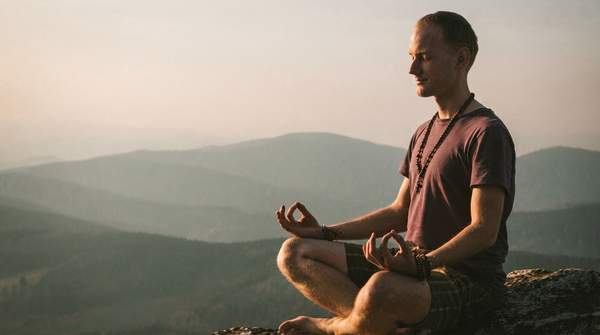
Slow living is a deliberate approach to life, prioritizing quality over quantity and intention over impulsivity. It means consciously choosing to slow down and engage more fully with daily activities, rather than rushing through them. This framework re-prioritizes personal well-being and encourages healthier decisions about time and energy, fostering a greater sense of control.
The essence of slow living extends beyond mere relaxation; it is a proactive strategy. Individuals regain agency by actively choosing their pace and focus, counteracting the default speed of modern life that often diminishes personal control.
While technology often drives the push for speed, it also paradoxically serves as a crucial platform for the slow living movement. Online communities and resources dedicated to mindfulness offer tools to counteract the very pressures technology can create. This means digital tools, typically associated with acceleration, can be repurposed for intentional deceleration.
Technology and a hyperfocus on speed are often seen as detrimental to people's health, enjoyment, and environmental sustainability, according to ebsco. Yet, this same technology allows for the creation of supportive networks. These platforms help individuals feel more grounded and present, enabling them to reclaim control over their digital interactions.
Technology, while a source of modern acceleration and its ill effects, can therefore be repurposed as a tool to promote slow living and well-being. The problem and solution coexist within the same medium, offering new avenues for conscious living. Utilizing technology for slower practices allows individuals to navigate the fast-paced world with greater intentionality.
Why a Slower Pace is Now Essential
The continued demand for books like 'A Year of Nothing' points to a significant public health concern: chronic stress. Society's struggle with constant pressure is evident as people actively seek ways to mitigate its impacts.
Companies and policymakers who continue to prioritize hyper-efficiency and speed risk exacerbating a public health crisis. Chronic stress, directly linked to a fast-paced lifestyle, has been associated with numerous health issues. These include high blood pressure, heart disease, gut problems, diabetes, obesity, skin problems, sleep issues, and mental health conditions like depression and anxiety, reports thehealthy.
The widespread appeal of slow living is a direct response to the profound physical and mental toll exacted by a society obsessed with speed and efficiency. Adopting a slower pace is no longer merely a personal preference. It has become a necessary intervention to safeguard individual health and collective well-being against an accelerating world.
What are the core principles of slow living?
The core principles of slow living revolve around intentionality, mindfulness, and connection. This involves actively choosing how to spend your time, paying attention to the present moment, and fostering deeper relationships with people and your environment. For example, prioritizing face-to-face conversations over constant digital notifications embodies these principles.
How can I start practicing slow living in 2026?
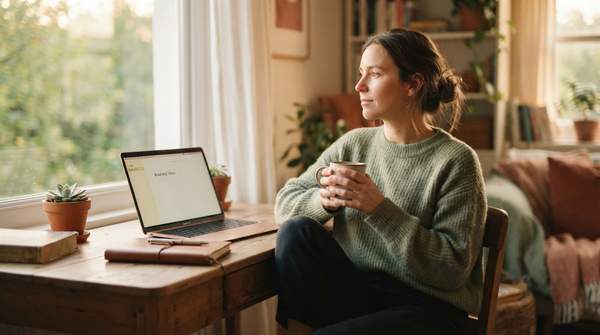
You can start practicing slow living in 2026 by implementing small, deliberate changes. Begin by designating specific times each day for uninterrupted activities, such as reading a physical book or preparing a meal from scratch without distractions. Consider a digital detox for one hour daily, focusing on an analog hobby like gardening or journaling.
What are the benefits of adopting a slow living lifestyle?
Adopting a slow living lifestyle offers numerous benefits beyond stress reduction, including improved decision-making and enhanced creativity. By reducing external pressures and creating space for reflection, individuals often report greater clarity and innovative thinking. This deliberate pace can also lead to stronger community ties and a more sustainable personal consumption model.
Companies and policymakers who ignore the public health implications of chronic stress will likely face increased pressure to integrate principles of intentional deceleration. This will require a re-evaluation of work-life balance and societal expectations, potentially leading to more flexible work arrangements and a greater emphasis on mental well-being initiatives.